
When should a HIP furnace be considered?
HIP should be considered when the project needs high density, pore closure, internal defect reduction, or isotropic pressure treatment.
Advanced Vacuum Sintering Equipment
Hot isostatic pressing
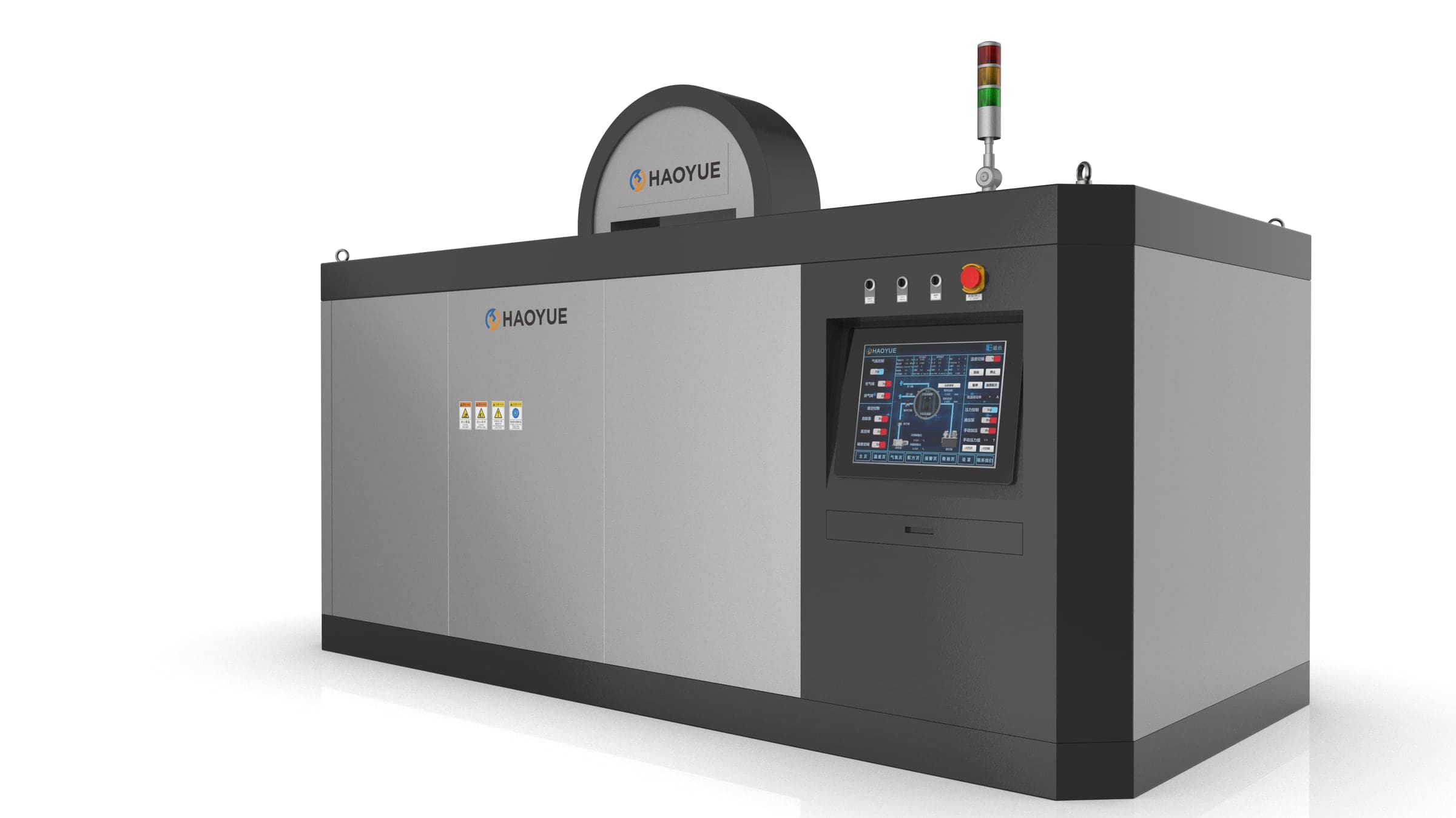
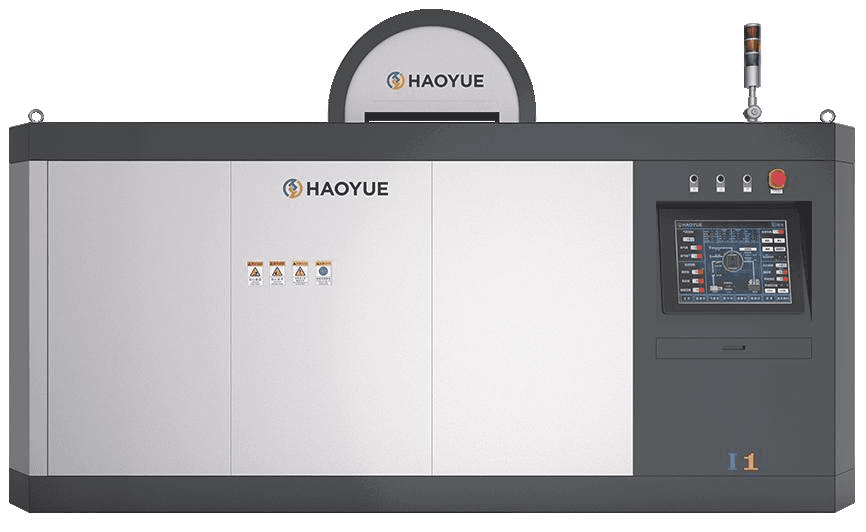
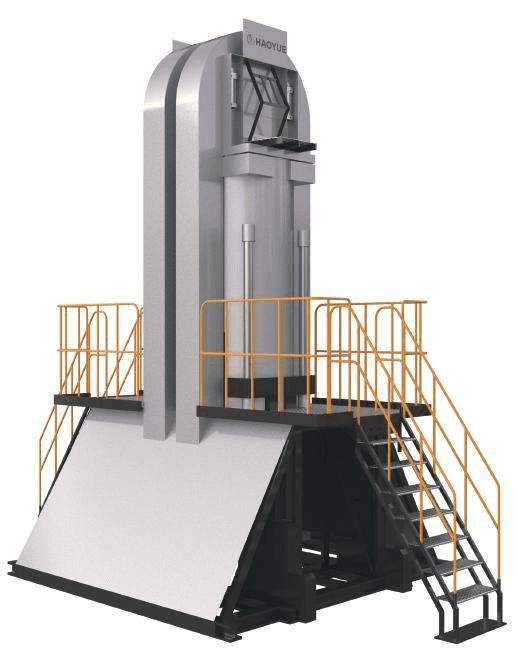
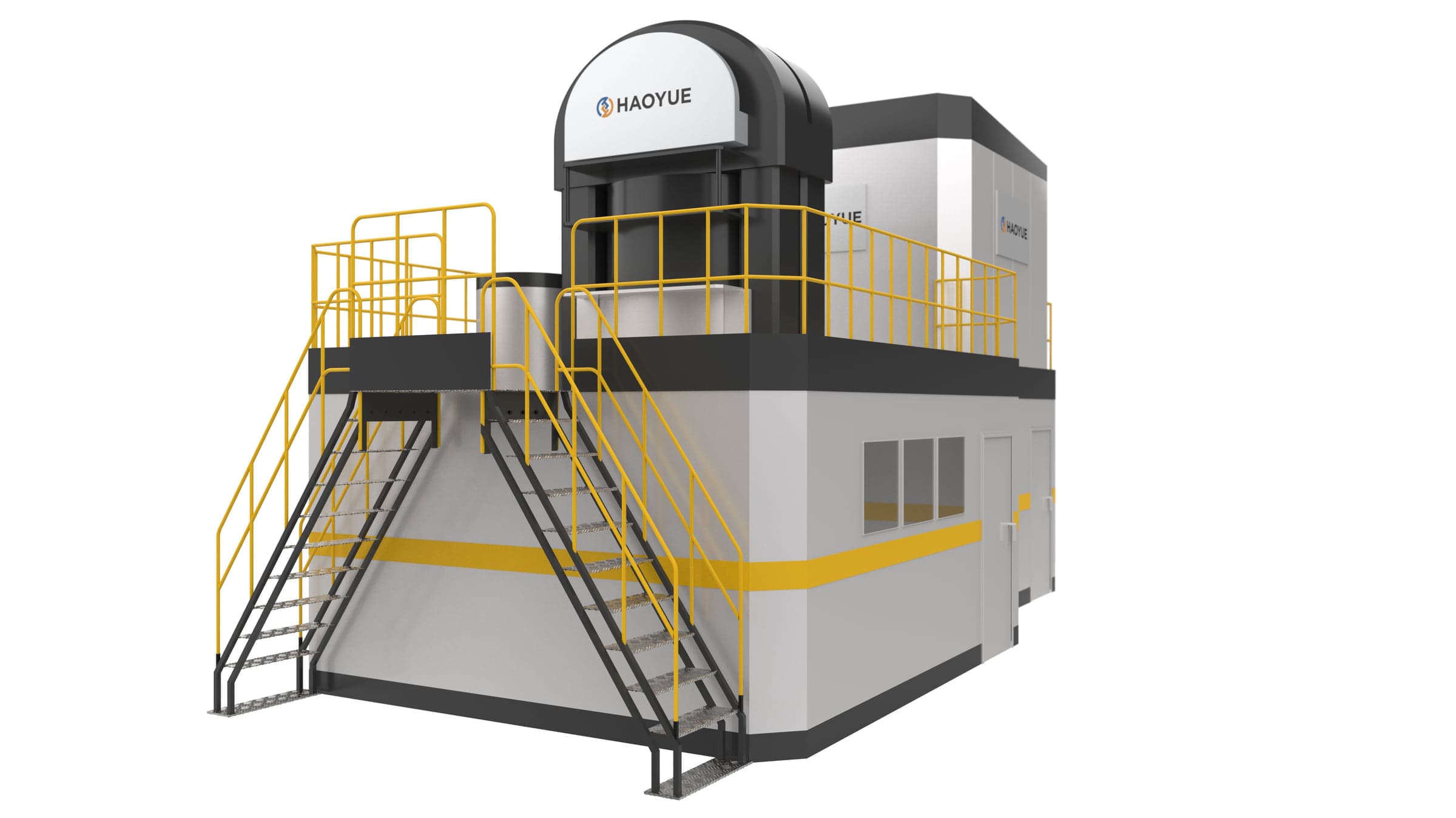
Use the I Series when material density, internal defect reduction, and isotropic pressure treatment are central to the process requirement.
High-pressure treatment
Dense materials
Uniform pressure field
Model range for scale-up
Typical materials
Application fields
| Model | Temperature | Pressure / Load | Atmosphere | Scale | Best For |
|---|---|---|---|---|---|
| I1 | Project matched | High isostatic pressure | Inert gas | Lab / pilot | HIP trials and compact batches |
| I2 | Project matched | High isostatic pressure | Inert gas | Pilot | Medium HIP requirements |
| I3 | Project matched | High isostatic pressure | Inert gas | Pilot / production | Larger chamber HIP workflows |
| I5 | Project matched | High isostatic pressure | Inert gas | Production | Industrial HIP treatment |
| I7 | Project matched | High isostatic pressure | Inert gas | Production | Large-scale HIP processing |
Selection guide
HIP furnace selection depends on material, capsule or part geometry, pressure, temperature, gas medium, working zone, production batch, and certification expectations. It is most useful when density, pore closure, and internal defect reduction are central to the requirement.
HIP applies isostatic pressure to the workpiece and is often used for dense structural materials, powder metallurgy, and defect reduction. Gas pressure sintering is more directly tied to ceramic sintering under a controlled gas pressure environment.
Material and density target
Pressure range
Temperature
Gas medium
Work zone size
Batch and documentation needs
HIP should be considered when the project needs high density, pore closure, internal defect reduction, or isotropic pressure treatment.
Key parameters include material, target pressure, target temperature, gas medium, usable work zone, batch size, and documentation requirements.
Yes. HIP can be reviewed for advanced ceramics and dense structural materials when pressure, temperature, and process environment are appropriate.
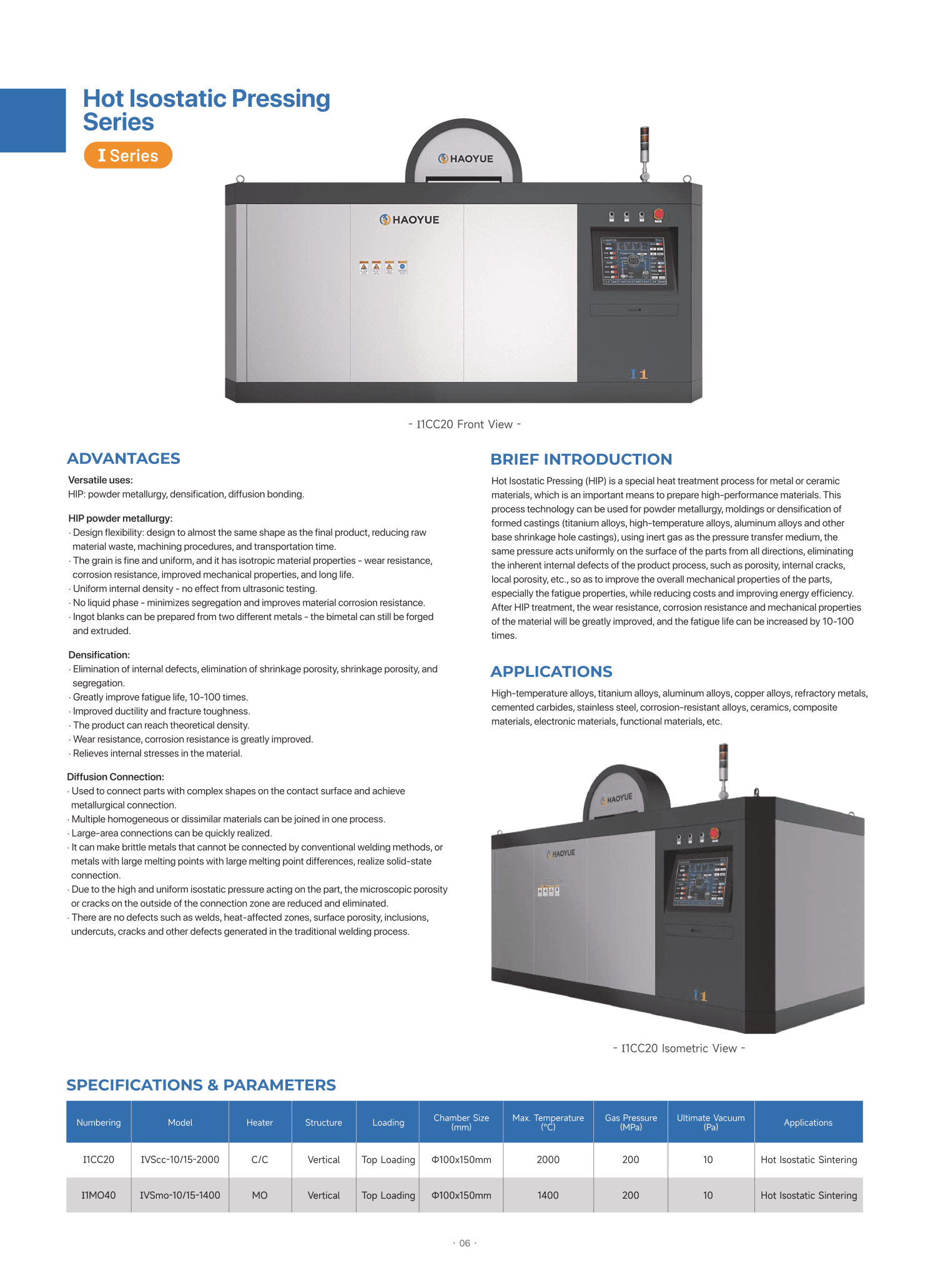
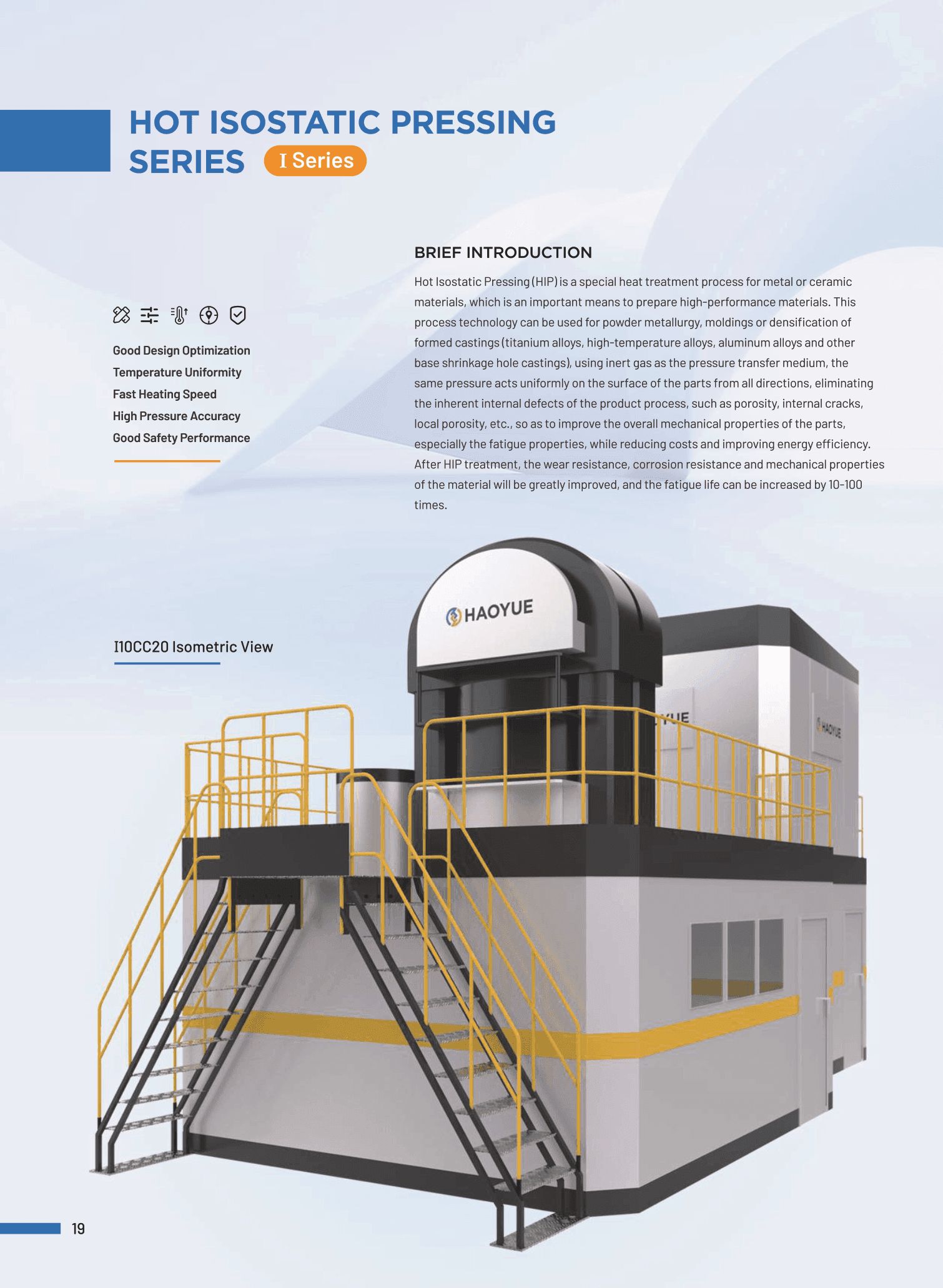
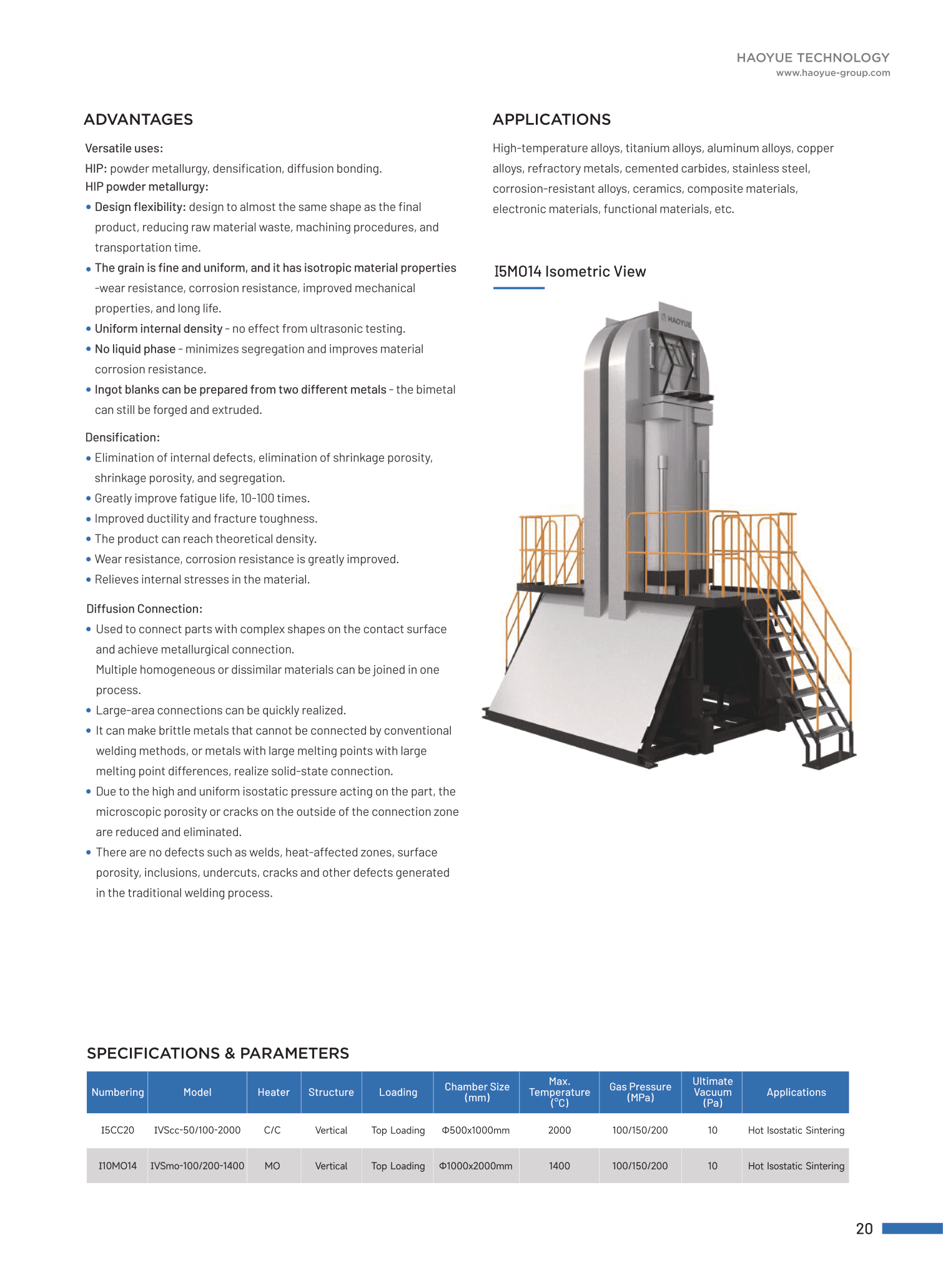
Brochure pages
Engineer-led reply target within 24 hours.