
What materials are typical for an SPS furnace?
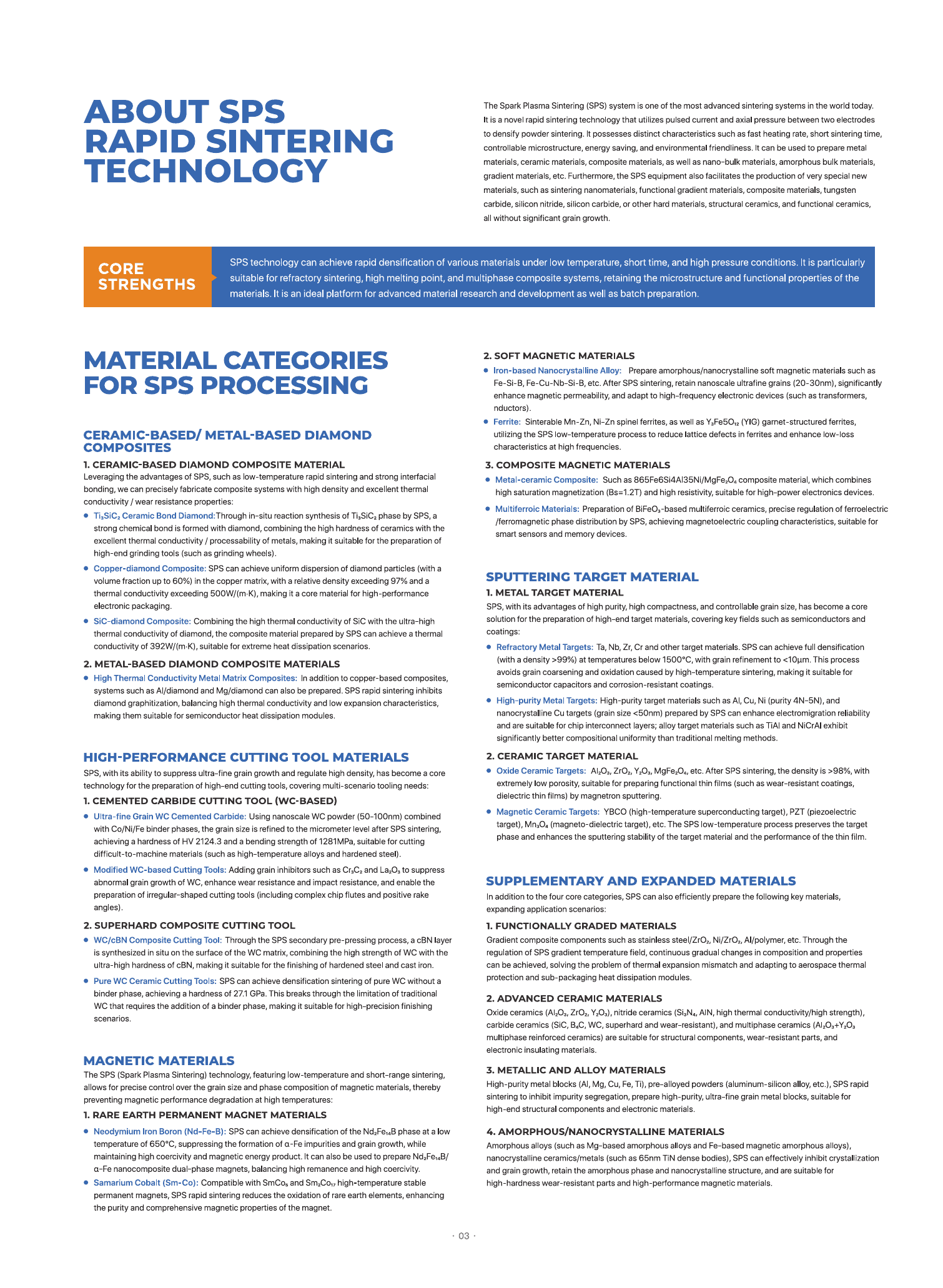
SPS furnaces are commonly reviewed for advanced ceramics, powder metallurgy, functional ceramics, composites, and research materials that benefit from rapid pressure-assisted densification.
Advanced Vacuum Sintering Equipment
Spark plasma sintering
Use the S Series when the process requires fast heating, pressure-assisted sintering, and controlled vacuum or inert atmosphere for advanced powder materials.
Fast thermal cycles
Pressure-assisted densification
Vacuum or inert atmosphere
Lab to production scale
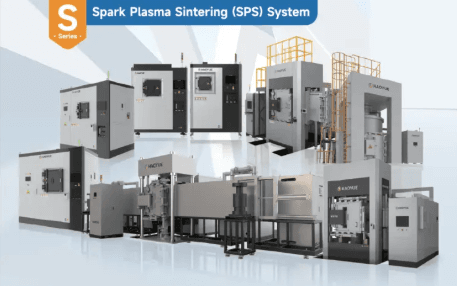
View Details ->
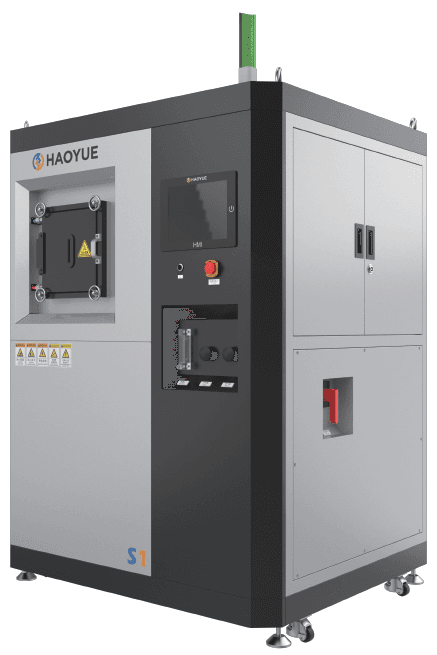
View Details ->
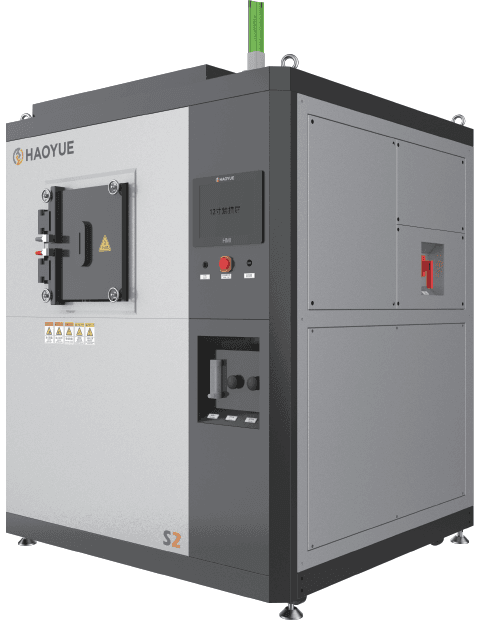
View Details ->
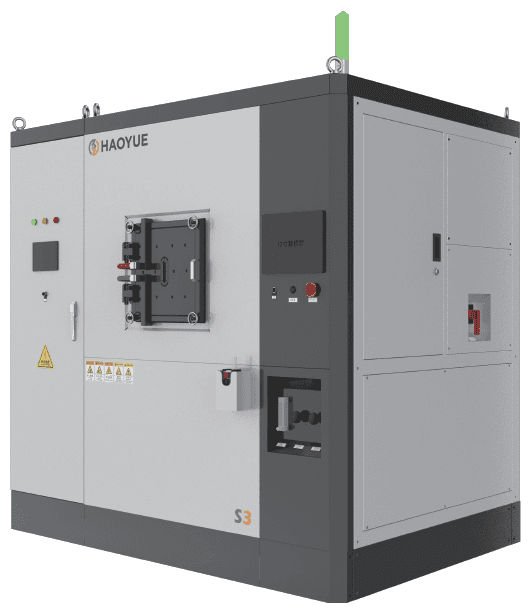
View Details ->
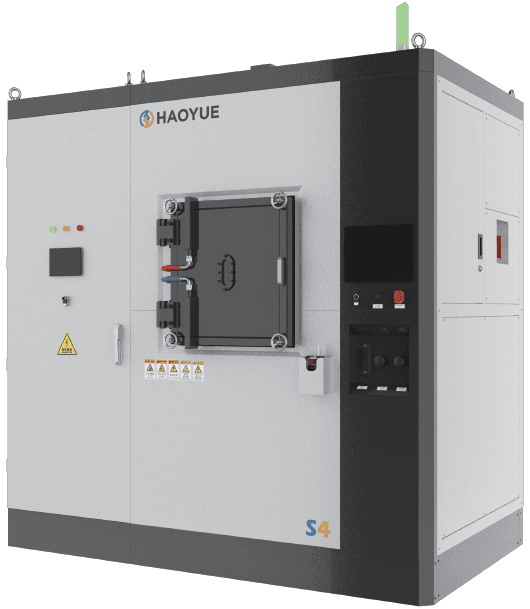
View Details ->
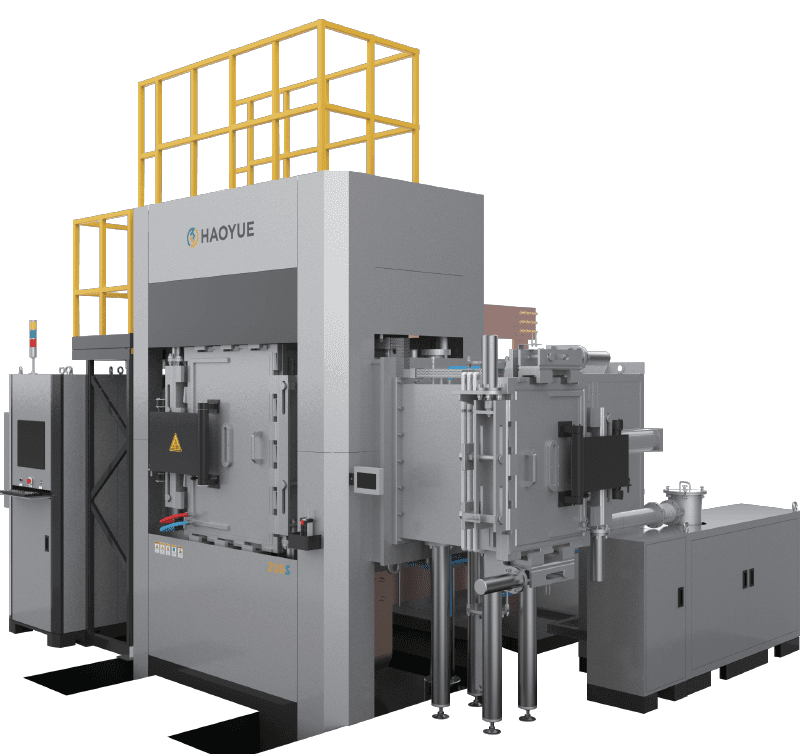
View Details ->
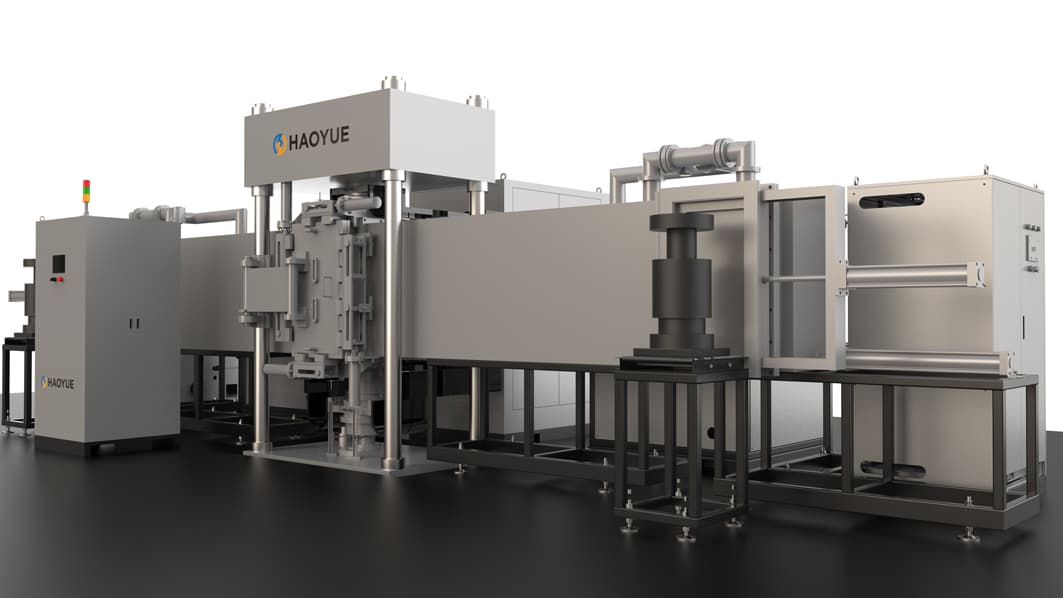
View Details ->
Typical materials
Application fields
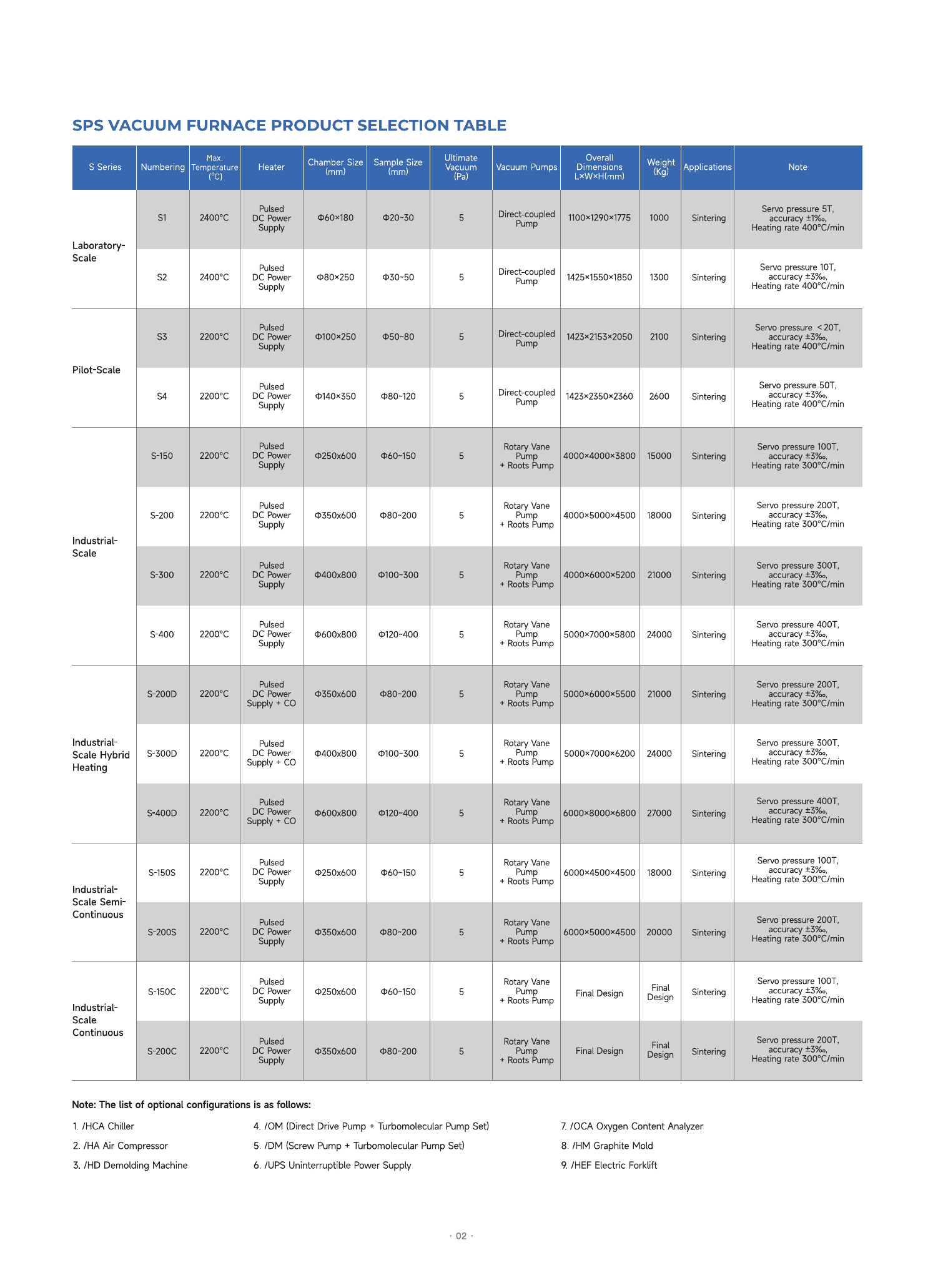
| Model | Temperature | Pressure / Load | Atmosphere | Scale | Best For |
|---|---|---|---|---|---|
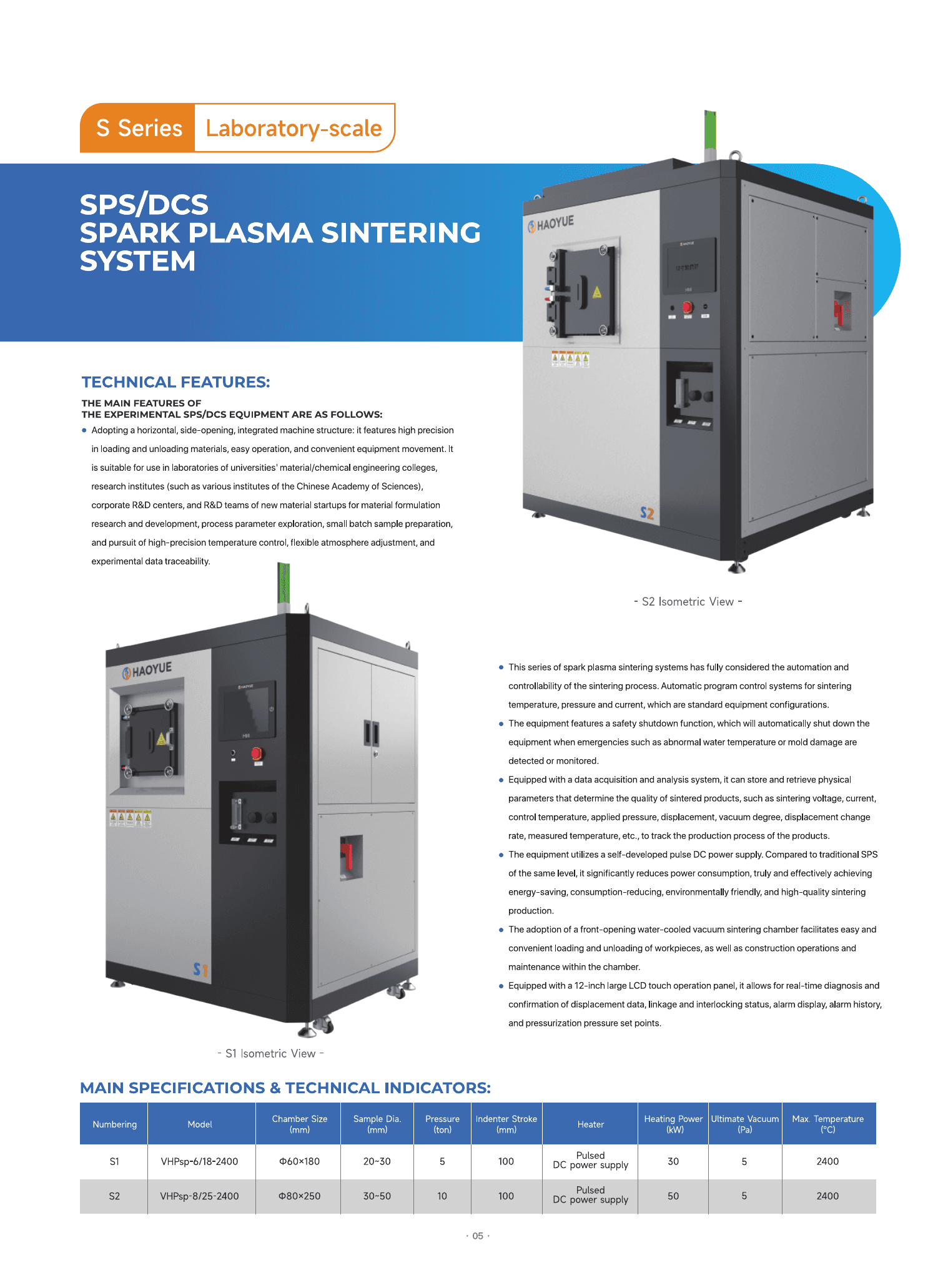
| S1 | Up to 2200 C | Lab-scale pressing | Vacuum / inert gas | Lab R&D | Small samples and process exploration |
| S2 | Up to 2200 C | Medium load | Vacuum / inert gas | Lab / pilot | Universities and pilot trials |
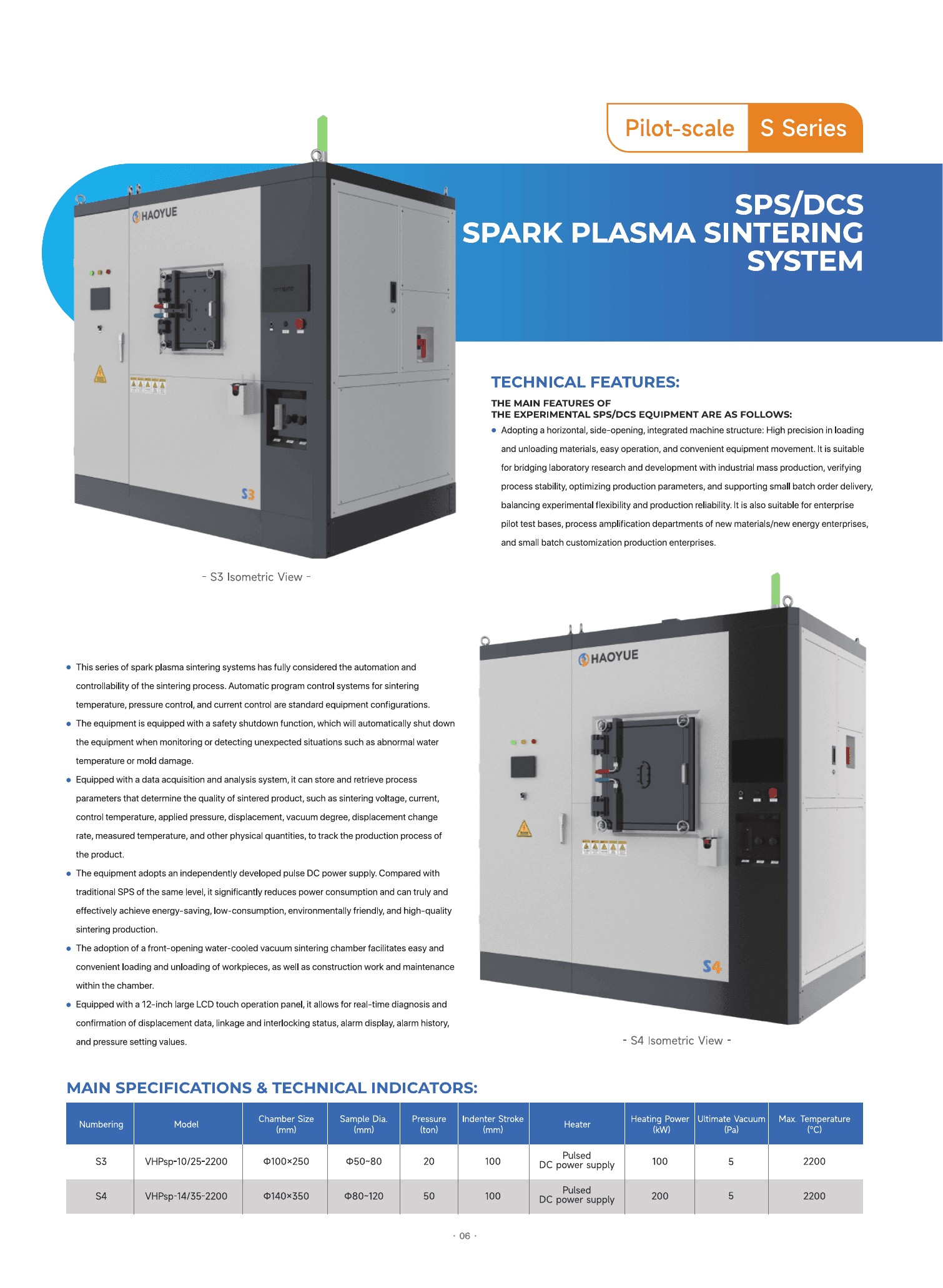
| S3 | Up to 2200 C | Higher load | Vacuum / inert gas | Pilot | Larger tooling and repeatable tests |
| S4 | Up to 2200 C | Production-oriented | Vacuum / inert gas | Pilot / production | Scale-up and demanding batches |
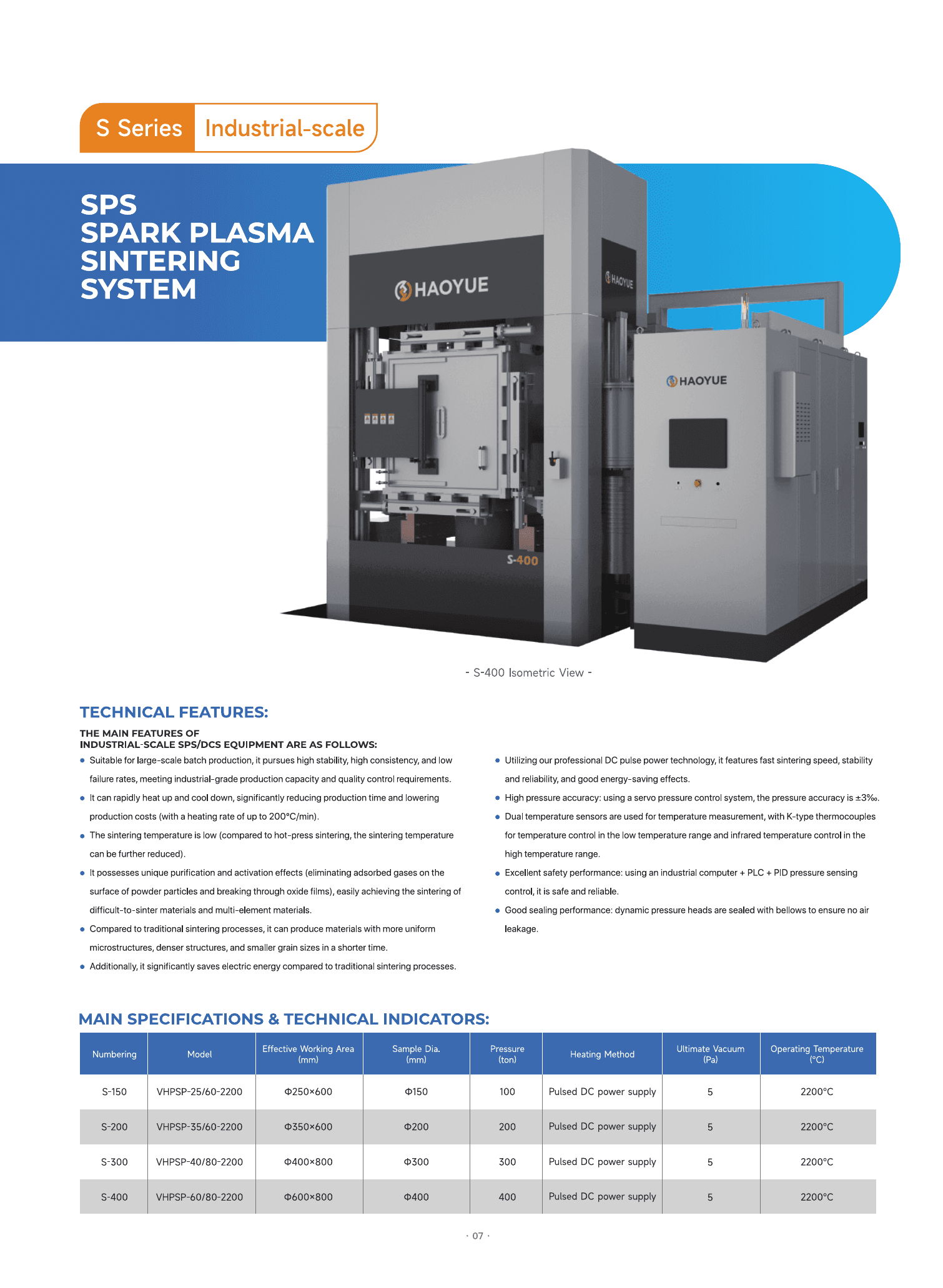
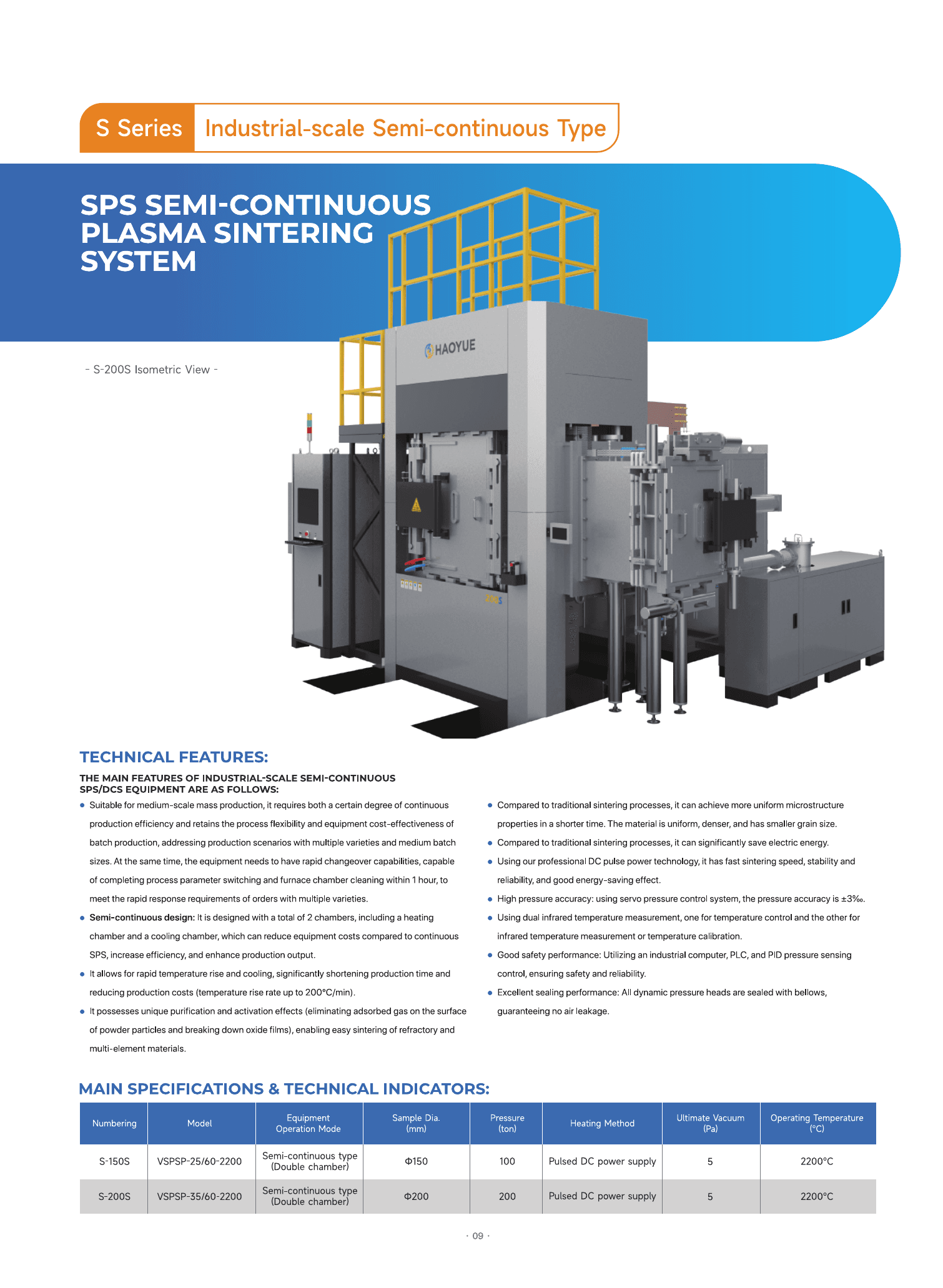
| S-200S | Project matched | Semi-continuous | Vacuum / inert gas | Production | Higher throughput SPS workflows |
Selection guide
Choose an SPS furnace when the project depends on rapid heating, pulsed current assisted densification, compact tooling, and fast process screening. Buyers should confirm powder type, target density, die size, pressing load, maximum temperature, atmosphere, sample throughput, and whether the workflow is laboratory research, pilot validation, or production scale-up.
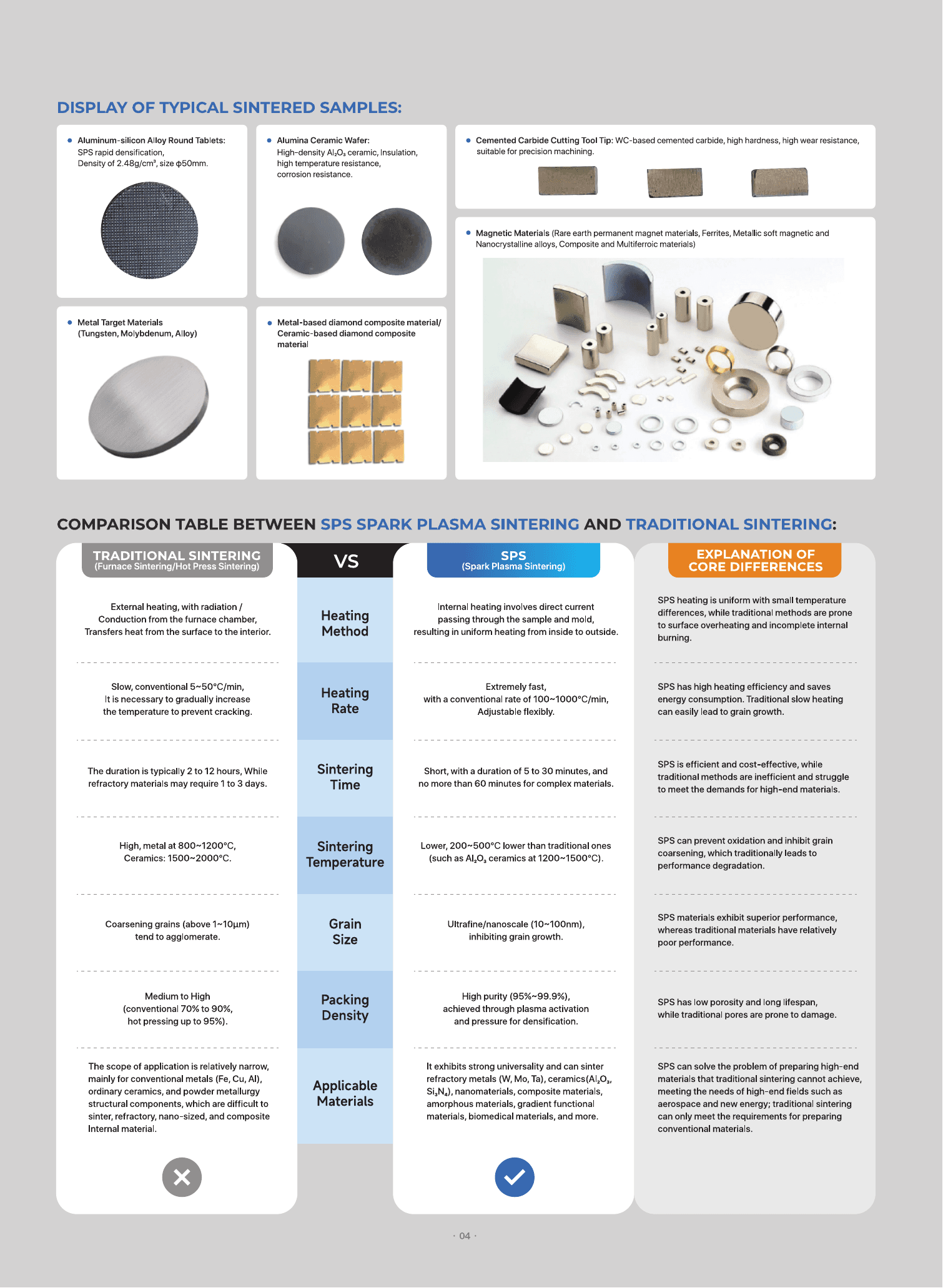
SPS is usually stronger for fast thermal cycles, conductive die systems, and advanced material R&D. Vacuum hot pressing is usually stronger when larger tooling, longer dwell time, industrial load control, or larger dense parts are the priority.
Powder or preform material
Die diameter and part height
Target density
Pressing load
Maximum temperature
Lab, pilot, or production throughput
SPS furnaces are commonly reviewed for advanced ceramics, powder metallurgy, functional ceramics, composites, and research materials that benefit from rapid pressure-assisted densification.
Send material, die size, target temperature, pressing load, atmosphere, sample size, required throughput, and whether the system is for laboratory, pilot, or production use.
SPS is usually preferred for rapid cycles and research flexibility, while vacuum hot pressing is often preferred for larger parts, longer dwell times, and production-oriented pressure sintering.
Series buying evidence
Use the model table to shortlist capacity, then require the same evidence from every supplier before comparing price or delivery.
Power supply, current path, tooling stack, cooling, and utility limits
Load, displacement, temperature, vacuum, and recipe data recorded on one time base
Trial or dummy-tooling condition, repeatability checks, and scale-up assumptions
Factory test, documentation, training, spare parts, and site acceptance responsibilities
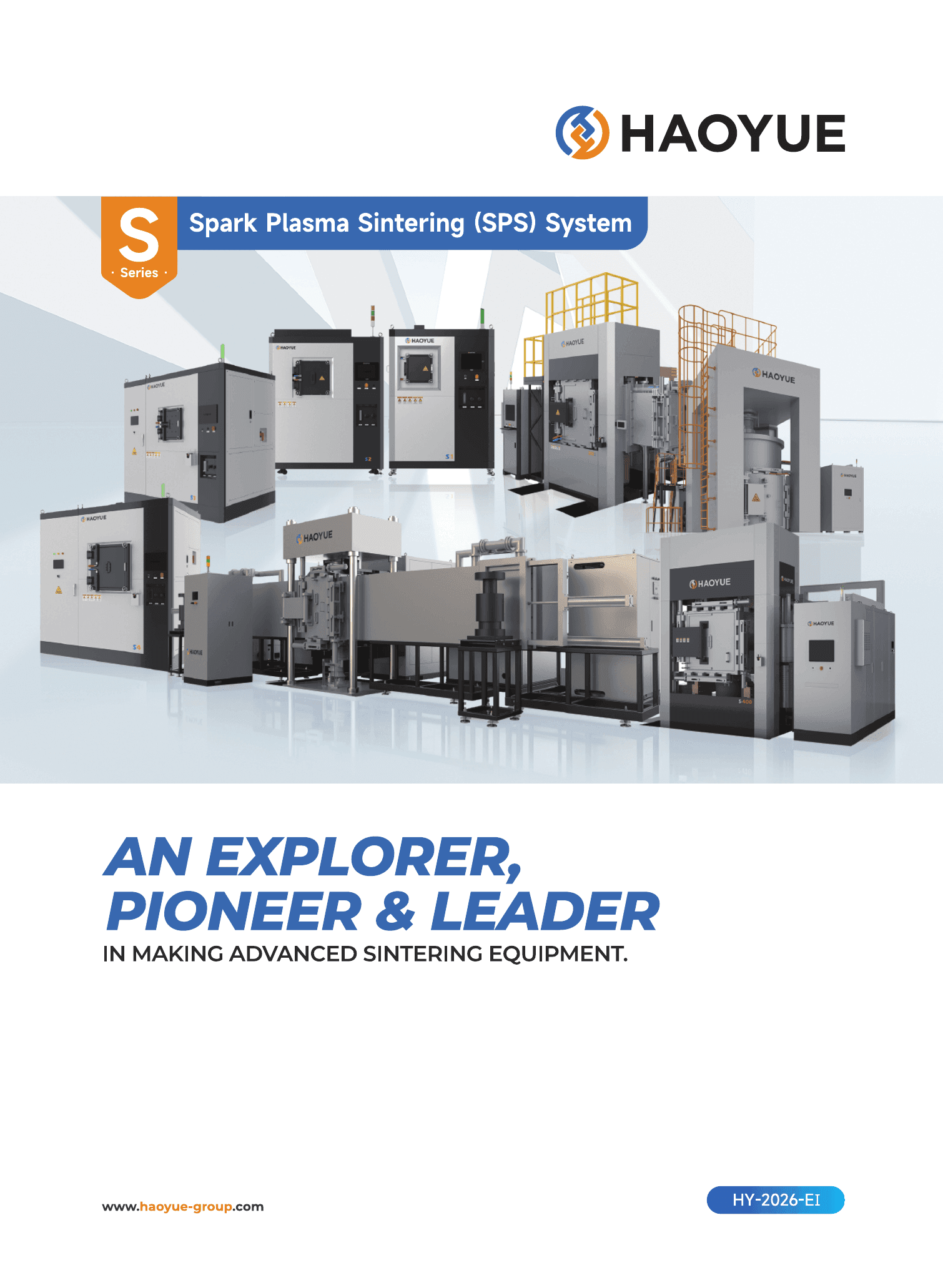
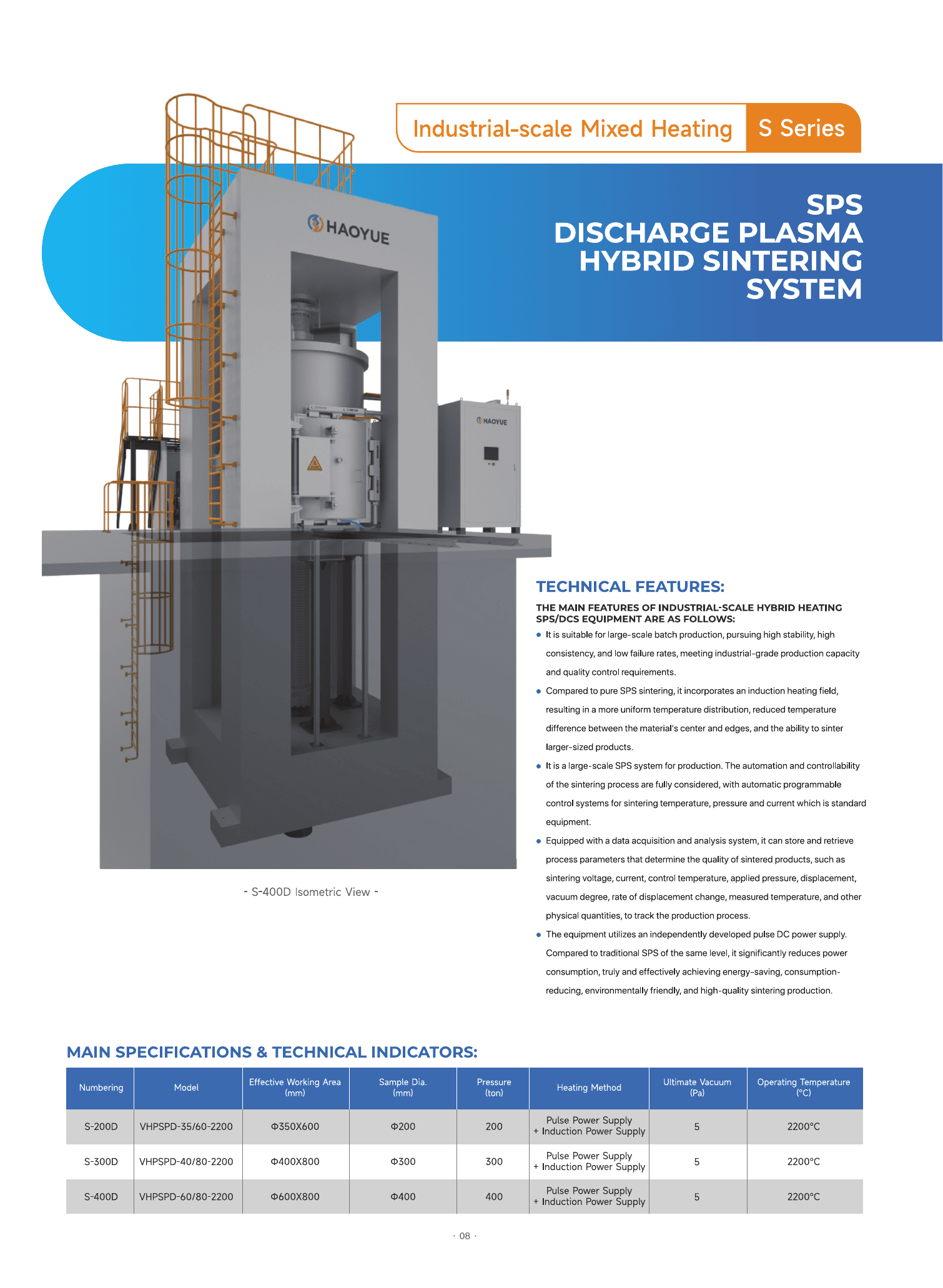
Brochure pages
Engineer-led reply target within 24 hours.