
Technical Article
SPS vs Hot Pressing: Key Differences For Furnace Selection
A specification-led comparison of spark plasma sintering and vacuum hot pressing, including heating behavior, load path, tooling, atmosphere, scale, and the information engineers need before selecting a furnace.
Published by Haoyue Technology | Updated
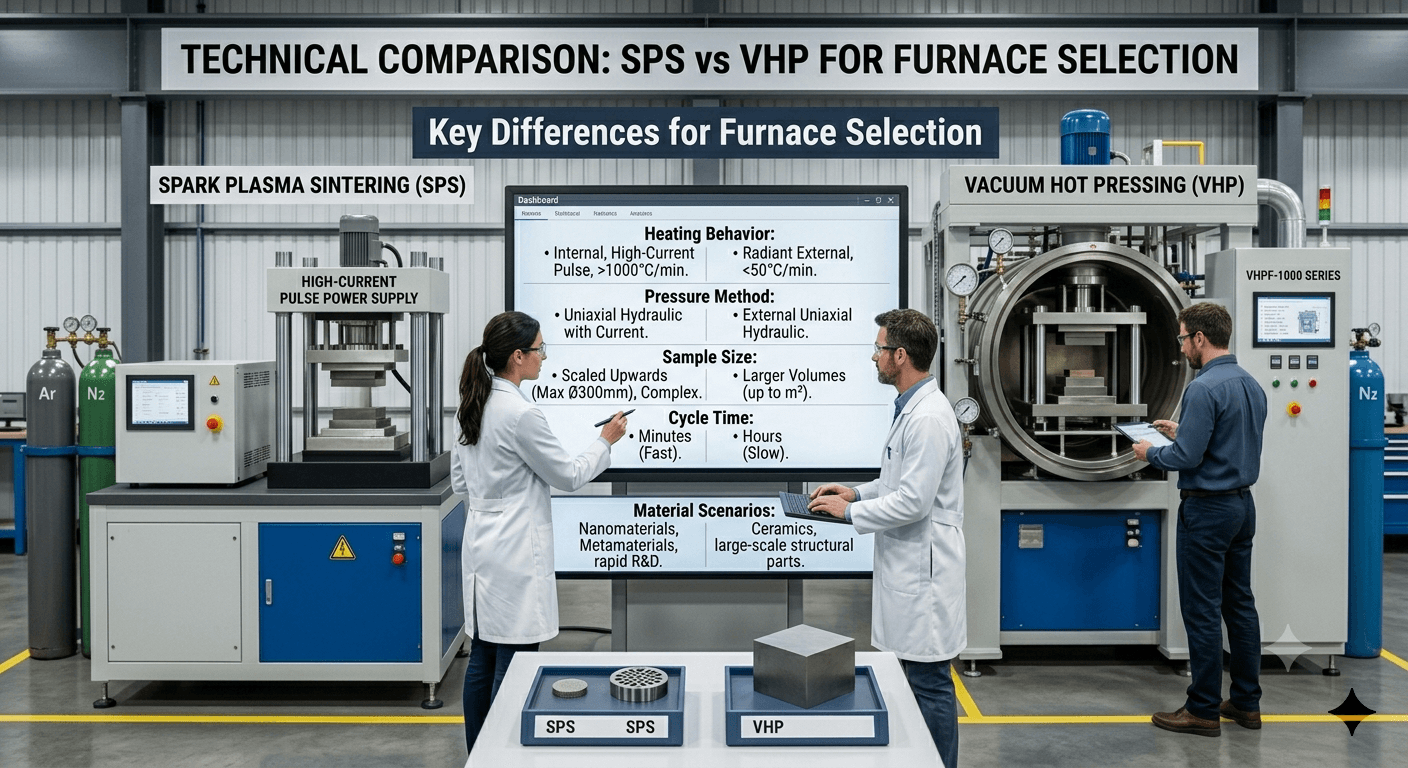
Quick decision
Start with SPS when rapid material screening, conductive tooling, and a compact pressure-assisted setup are central to the project. Start with vacuum hot pressing when larger dies, a stable mechanical load path, longer holds, or pilot and production-oriented tooling are more important. This is a selection direction, not a guarantee of a material result.
How the heating systems differ
SPS applies pulsed current through a conductive die and uses axial pressure while the electrical, thermal, displacement, vacuum, and load signals are captured together. A vacuum hot pressing furnace uses a resistance-heated hot zone and applies axial load through project-matched graphite tooling. Powder chemistry, die design, contact resistance, atmosphere, and the programmed profile still determine the actual process window.
Tooling and scale decide the next question
For SPS, confirm powder or preform condition, die diameter, pressing load, conductive path, temperature measurement method, and the number of samples needed per screening cycle. For hot pressing, confirm die diameter and height, mold sleeve, pressing direction, load, stroke, hot-zone material, usable chamber, and batch rhythm before comparing model names.
Read example specifications as configuration references
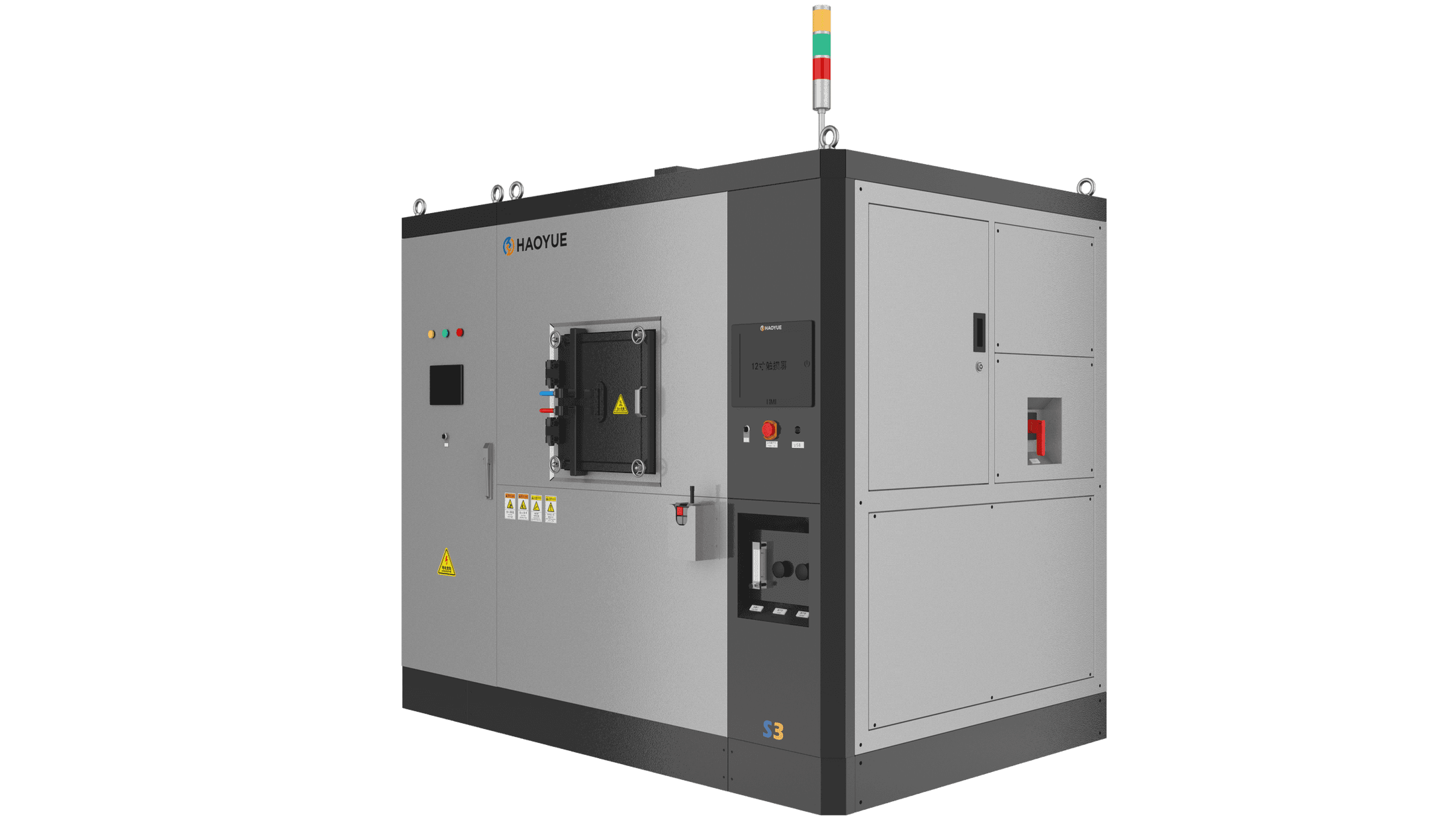
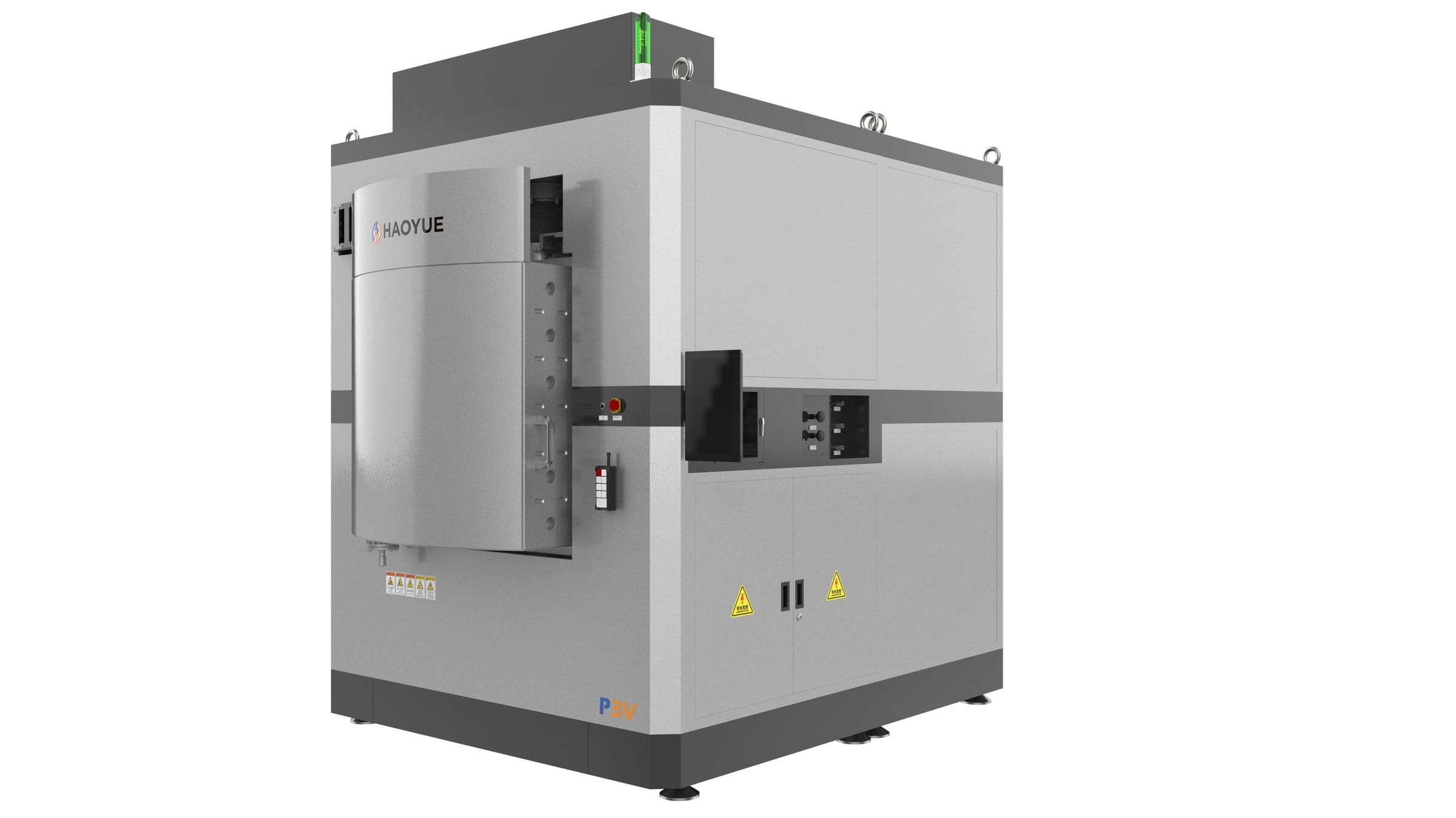
The examples below are taken from Haoyue's published S3 and P3V configuration data. They describe equipment capability under stated test conditions; they are not customer-process results. Confirm the exact model, tooling, measurement method, and acceptance test in a project quotation.
Prepare a complete inquiry
Send material and powder or preform condition, target density or property, part geometry, die and chamber dimensions, maximum temperature, pressure or load profile, atmosphere and gas purity, heating and hold profile, target capacity, cooling requirement, data logging needs, and whether the project is laboratory, pilot, or production scale.
| Selection criterion | SPS | Vacuum hot pressing |
|---|---|---|
| Heat delivery | Pulsed direct current through conductive tooling and, depending on the material path, the compact. | Resistance-heated hot zone transfers heat to the die and compact. |
| Heating-rate behavior | The published S3 example lists 50-500 C/min for an empty furnace. | The published P3V example lists 1-20 C/min for an empty furnace. |
| Example maximum temperature | The published S3 configuration lists 2200 C. | The published P3V configuration lists 2000 C. |
| Load system | Axial servo-electric pressure synchronized with current, temperature, displacement, and vacuum data. | Hydraulic or project-matched axial load applied through graphite tooling. |
| Temperature measurement | The S3 example uses a tool-contact thermocouple at lower temperature and non-contact optical measurement at higher temperature. | The P3V example lists a tungsten-rhenium thermocouple. |
| Atmosphere | Vacuum with argon or nitrogen protection on the referenced S3 configuration. | Vacuum or inert gas selected with hot-zone and material compatibility. |
| Typical scale | Material screening, rapid process development, and model-dependent pilot work. | Larger tooling, longer holds, and pilot or production-oriented pressure sintering. |
| Selection risk | Electrical and thermal response depends strongly on tooling and material conductivity. | Thermal uniformity, tooling size, load distribution, and cycle duration dominate scale-up review. |
These are published equipment-configuration examples, not guaranteed process results. Confirm the selected model, tooling, material, temperature profile, pressure profile, atmosphere, and acceptance criteria with Haoyue engineering.
Related process selection hubs
Continue from this article into the buyer page that matches the furnace family, process window, and inquiry checklist.
Topic hub
Industrial Spark Plasma Sintering System Buyer Guide
Compare industrial spark plasma sintering systems by current path, tooling, pressure, temperature measurement, atmosphere, work zone, controls, scale-up, and supplier acceptance support.
Topic hub
Vacuum Hot Pressing Furnace Selection Guide
Custom vacuum hot pressing furnaces for metals, ceramics, and powder metallurgy. Compare load, stroke, die geometry, chamber size, hot-zone material, atmosphere, cooling, and batch objectives.
Related equipment and proof points
Need a configuration review?
Send your material, temperature, pressure, atmosphere, and capacity requirements to Haoyue for a practical furnace recommendation.
Request Technical Proposal