
Haoyue Technology logo

Pressure-assisted process hub

Vacuum Hot Pressing Furnace Selection Guide

Custom vacuum hot pressing furnaces for metals, ceramics, and powder metallurgy. Compare load, stroke, die geometry, chamber size, hot-zone material, atmosphere, cooling, and batch objectives.

Prefer direct contact?sales@haoyue-group.com+86 21 5109 5281

24h engineering follow-up target

Material and process window reviewed first

Configuration proposal before model selection

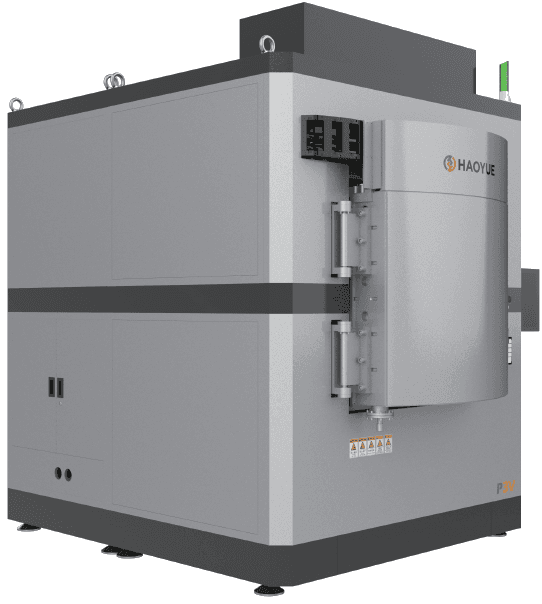
P3 vacuum hot pressing furnace

Start with the process window

Turn a keyword search into an engineering brief.

Vacuum hot pressing combines controlled heat, vacuum or inert gas, tooling, and mechanical pressure. The first buyer question is not simply which tonnage to choose; it is how the complete die, part, load path, temperature profile, atmosphere, and production rhythm must work together.

Selection factors

Die and part envelope

Provide die diameter, part height, tooling sleeve, pressing direction, clearances, and the full stack height inside the usable chamber.

Load and stroke

Match maximum load, pressure distribution, stroke, speed, platen or ram arrangement, and fixture stiffness to the densification route.

Thermal and atmosphere package

Review maximum temperature, heating uniformity, hot-zone material, vacuum, inert gas, cooling, and oxidation-control limits.

Scale and acceptance

Define sample, pilot, or production objective, cycle time, batch capacity, recipe records, trial plan, and material acceptance testing.

Technical configuration reference

Scope the equipment around the process, not a generic model label.

These are configuration checkpoints for a technical proposal. Final values, process suitability, and acceptance criteria are confirmed for each project.

ParameterConfiguration referenceConfirm in the inquiry
Part and die envelopePart geometry, die and sleeve dimensions, tooling clearance, pressing direction, and full stack height set the usable chamber requirement.Part drawing, die diameter and height, tooling material, sleeve, and complete stack dimensions.
Load and strokePress capacity, pressure distribution, stroke, platen or ram arrangement, and fixture stiffness are reviewed from the actual pressing area.Target pressure or load, pressing area, stroke, alignment tolerance, and future capacity needs.
Thermal zoneMaximum temperature, hot-zone material, measurement method, uniformity objective, and heating profile are matched to the material and tooling.Temperature profile, sensor position, thermal limits of the tooling, and measurement requirements.
Vacuum, gas, and coolingVacuum package, inert-gas use, purge sequence, cooling arrangement, and utilities are selected around oxidation control and cycle time.Vacuum target, gas type and purity, cooling limit, utilities, and contamination boundaries.
Controls and validationRecipe records, load and temperature data, safety interlocks, trial evidence, and acceptance documentation are planned before configuration.Data channels, trial plan, inspection method, acceptance criteria, and delivery region.

Supplier comparison evidence

Ask for evidence that can be checked during acceptance.

A catalogue limit does not prove project fit. Use the same written evidence request when comparing manufacturers, then carry the agreed checks into factory and site acceptance.

Tooling and load-path evidence

Review in the proposal

Compare the proposed die, sleeve, punch or platen arrangement, pressing direction, load capacity, stroke, stiffness, and alignment against the complete part stack.

Confirm for acceptance

Confirm tooling drawings, clearance and alignment checks, load and position records, and the fixture condition demonstrated during factory review.

Thermal, vacuum, and gas evidence

Review in the proposal

Review the hot-zone material, sensor locations, usable zone, vacuum package, purge sequence, inert-gas route, and cooling limits as one process environment.

Confirm for acceptance

Define the verification condition, recorded channels, leak-rate or pressure-rise method, temperature checks, and report format.

Cycle and material validation

Review in the proposal

Separate equipment acceptance from material-result guarantees by defining the trial material, recipe, tooling, sample inspection, and remaining process-development work.

Confirm for acceptance

Agree on the trial scope, data trace, dimensional or material checks, repeatability expectations, and exceptions recorded at sign-off.

Production and service handover

Review in the proposal

Compare single-chamber, multi-chamber, loading, automation, utility, maintenance, and operator requirements against the planned batch rhythm.

Confirm for acceptance

List factory and site acceptance tasks, operator training, preventive checks, spare-parts scope, documentation, and final responsibility owners.

Review path

Four checks before a configuration is selected.

01

Define material, density or property target, die geometry, and part dimensions.

02

Set load, stroke, pressure direction, temperature, atmosphere, dwell, and cooling windows.

03

Review chamber, hot zone, pump and gas system, fixtures, controls, and safety interlocks.

04

Agree on trial data, tooling validation, acceptance tests, and production assumptions.

Frequently asked questions

When should a project use hot pressing instead of vacuum sintering?

Use hot pressing when mechanical load and die tooling are part of the densification route. Use vacuum sintering when the process is primarily thermal and does not require direct pressing.

How should the press capacity be selected?

Review the target pressure over the actual pressing area, tooling stiffness, stroke, load distribution, safety margin, and future batch requirements with the engineering team.

Are hot pressing results guaranteed from a catalogue specification?

No. Results depend on material, powder or preform condition, die design, thermal measurement, atmosphere, programmed profile, and the agreed acceptance test.

Next step

Share the process window for an engineering review.

Send the material or part, temperature, pressure, atmosphere, work zone, and project goal. Haoyue can review the equipment configuration and identify missing inputs. Process results remain subject to the agreed trial and acceptance criteria.

Use the Full Technical Form
WhatsApp

Engineer-led reply target within 24 hours.