
What data is needed to size a vacuum hot pressing furnace?
The most useful inputs are material, target density, die diameter, part height, maximum load, temperature, atmosphere, stroke, and batch capacity.
Advanced Vacuum Sintering Equipment
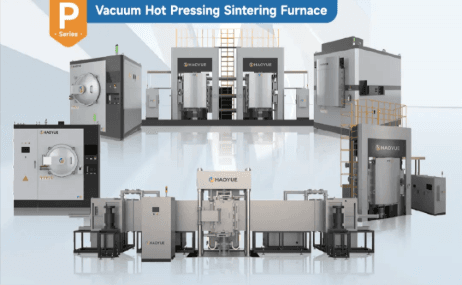
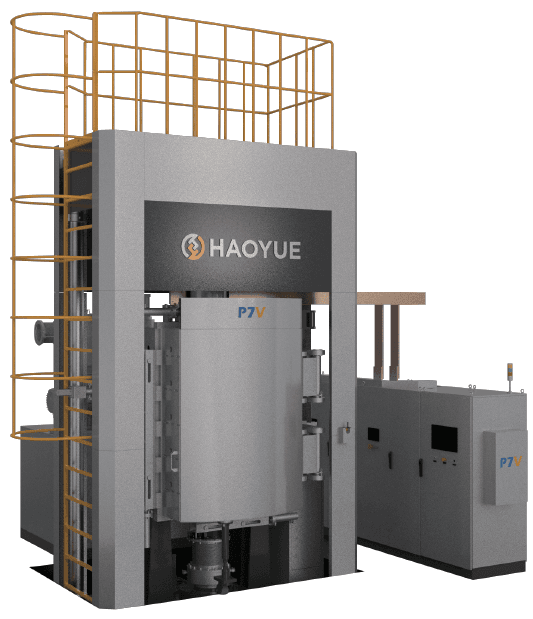
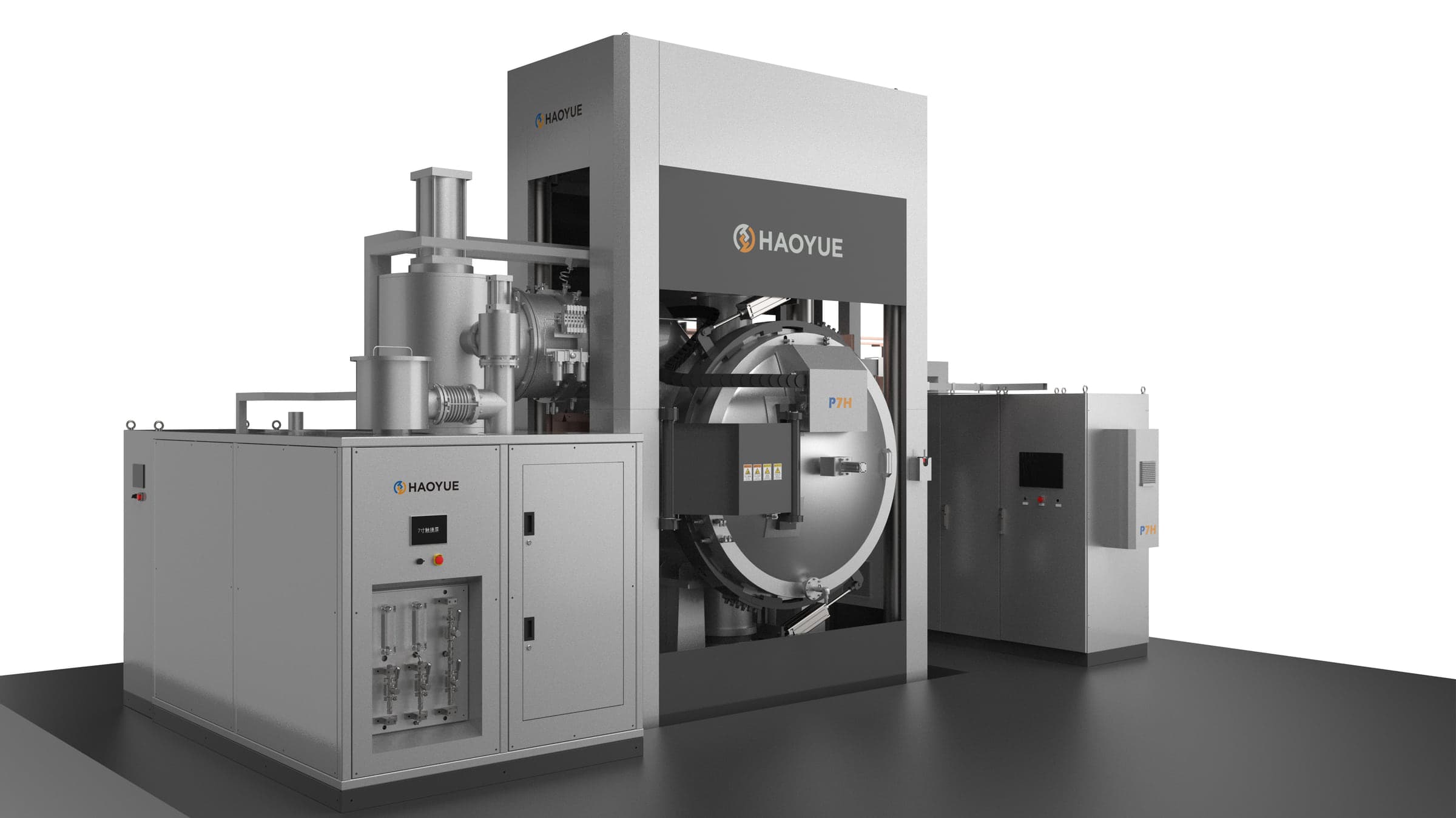
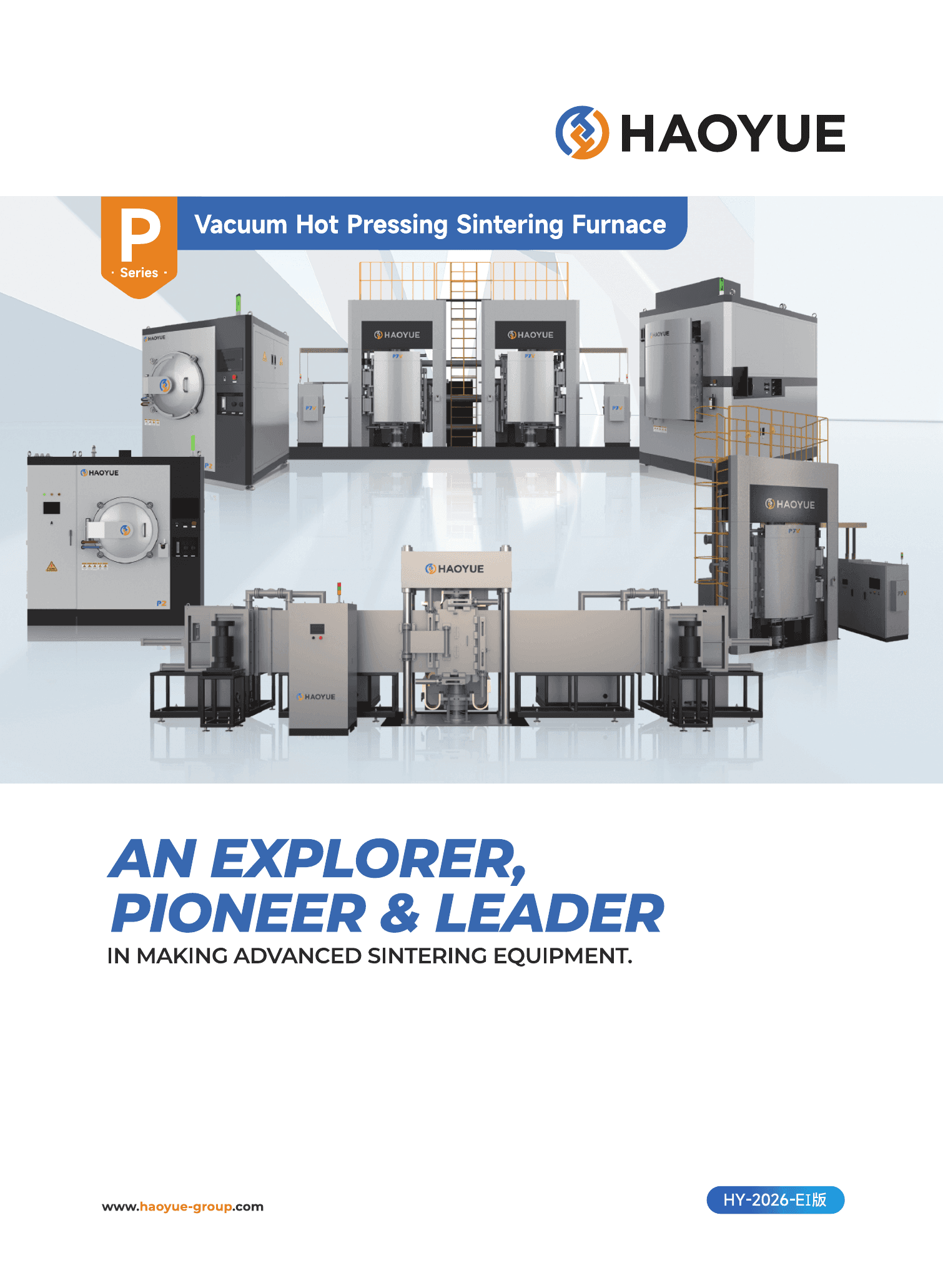
Vacuum hot pressing
Use the P Series when heating, vacuum, and mechanical pressure must work together to consolidate ceramics, carbon materials, and powder metallurgy parts.
Vacuum hot pressing
Configurable load system
Graphite or metal tooling
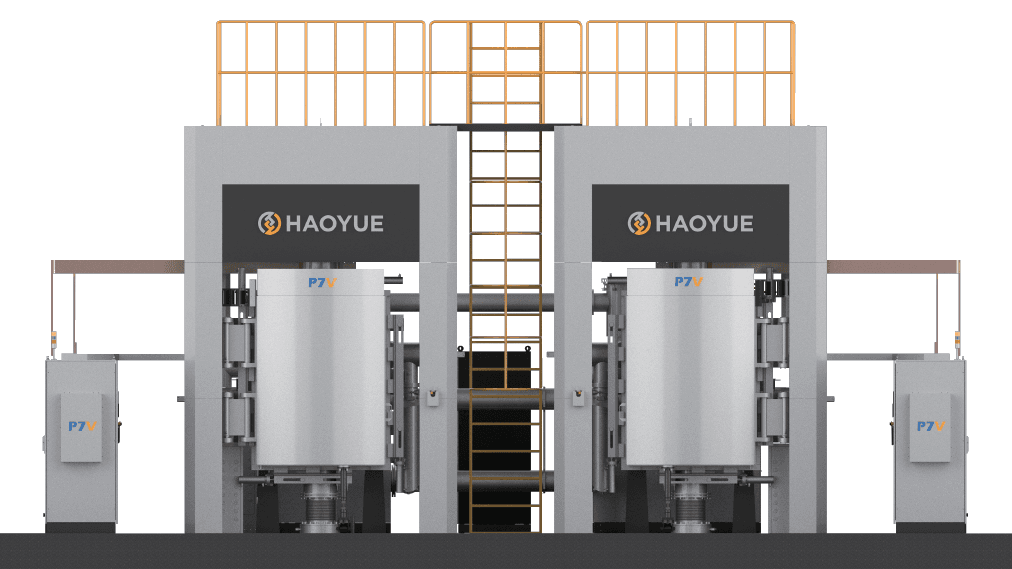
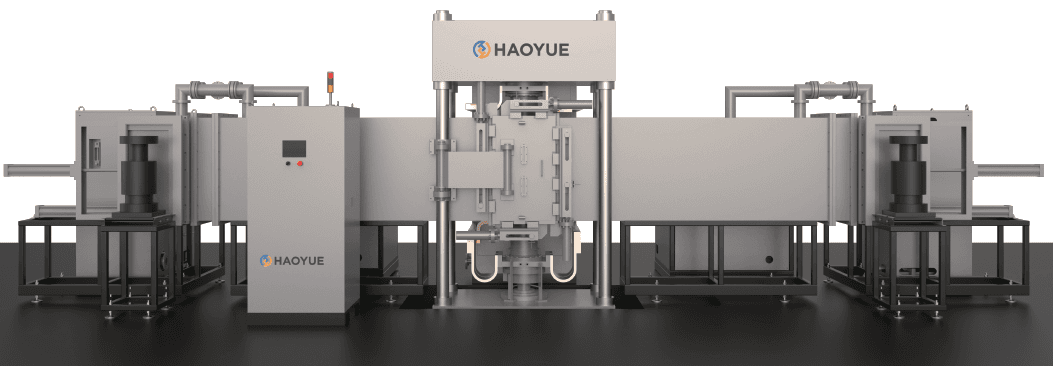
Single and multi-chamber options
View Details ->
View Details ->
View Details ->
View Details ->
View Details ->
View Details ->
View Details ->
View Details ->
View Details ->
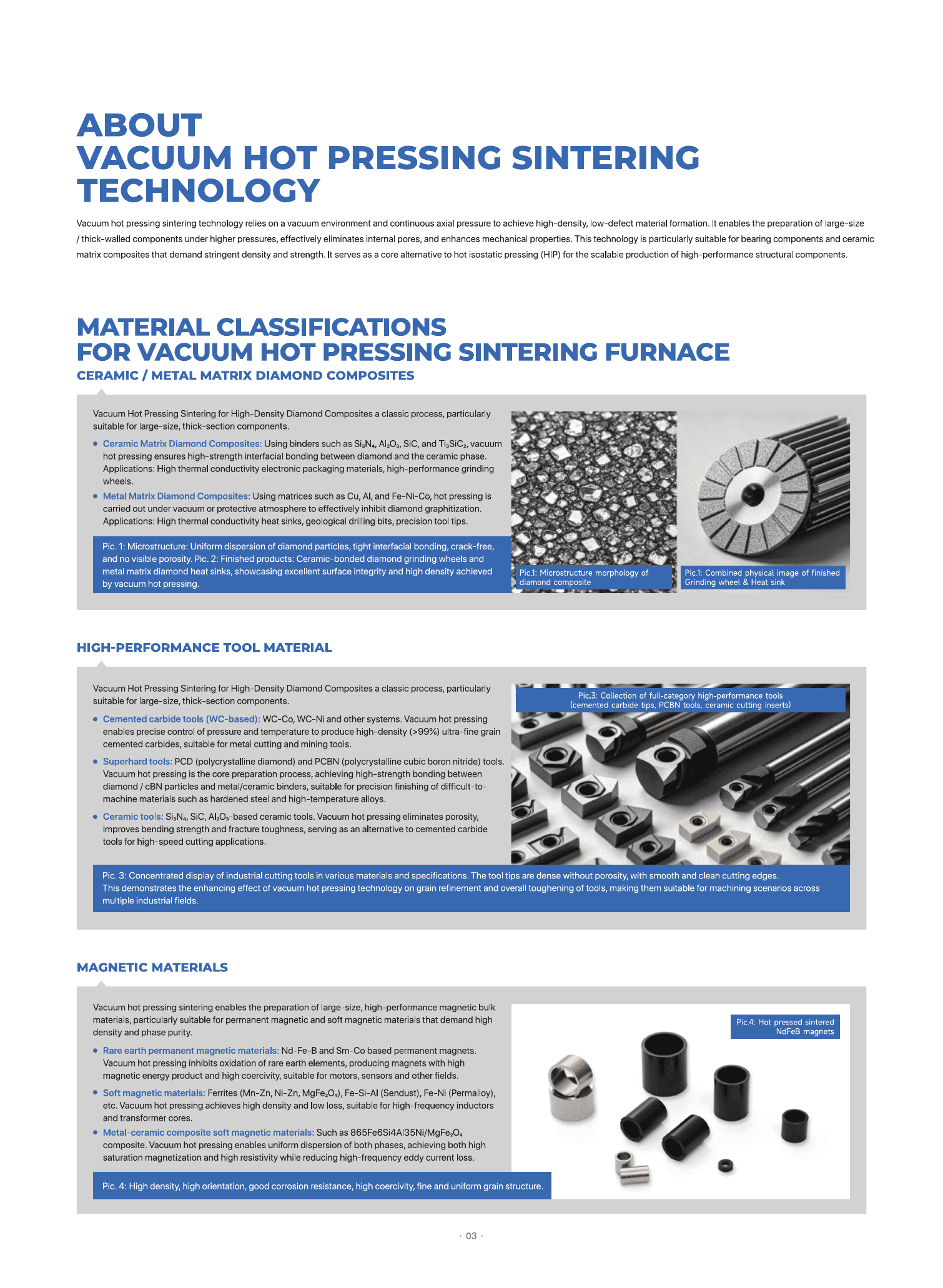
Typical materials
Application fields
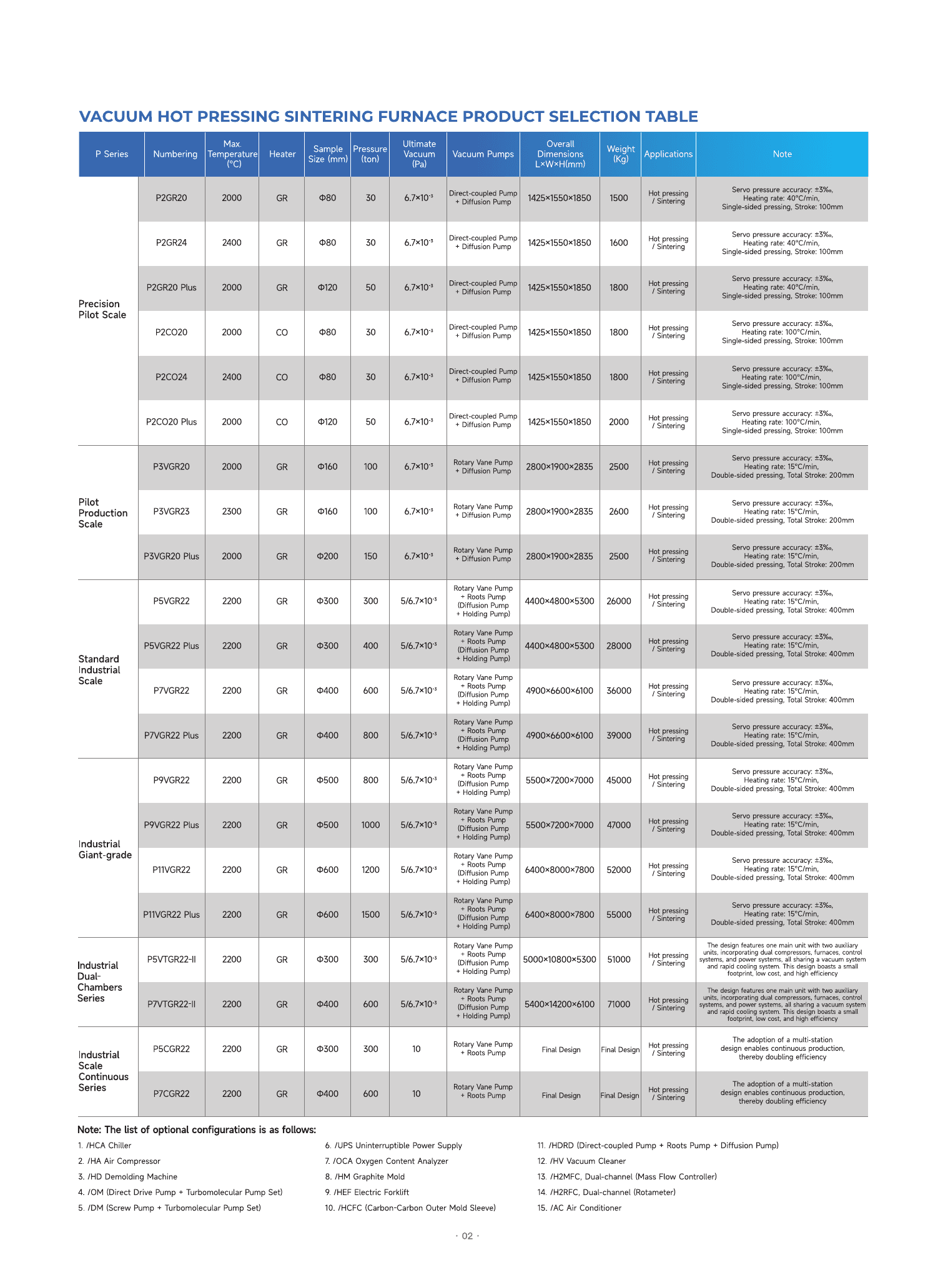
| Model | Temperature | Pressure / Load | Atmosphere | Scale | Best For |
|---|---|---|---|---|---|
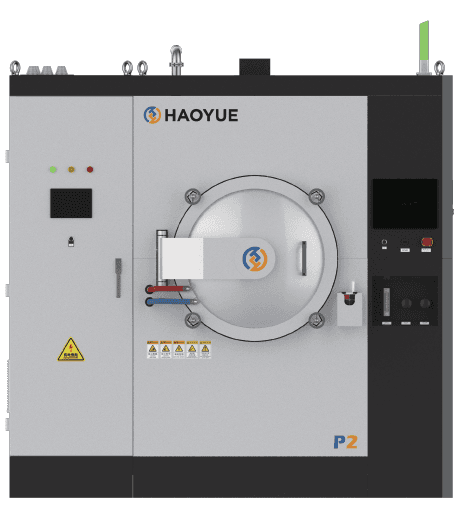
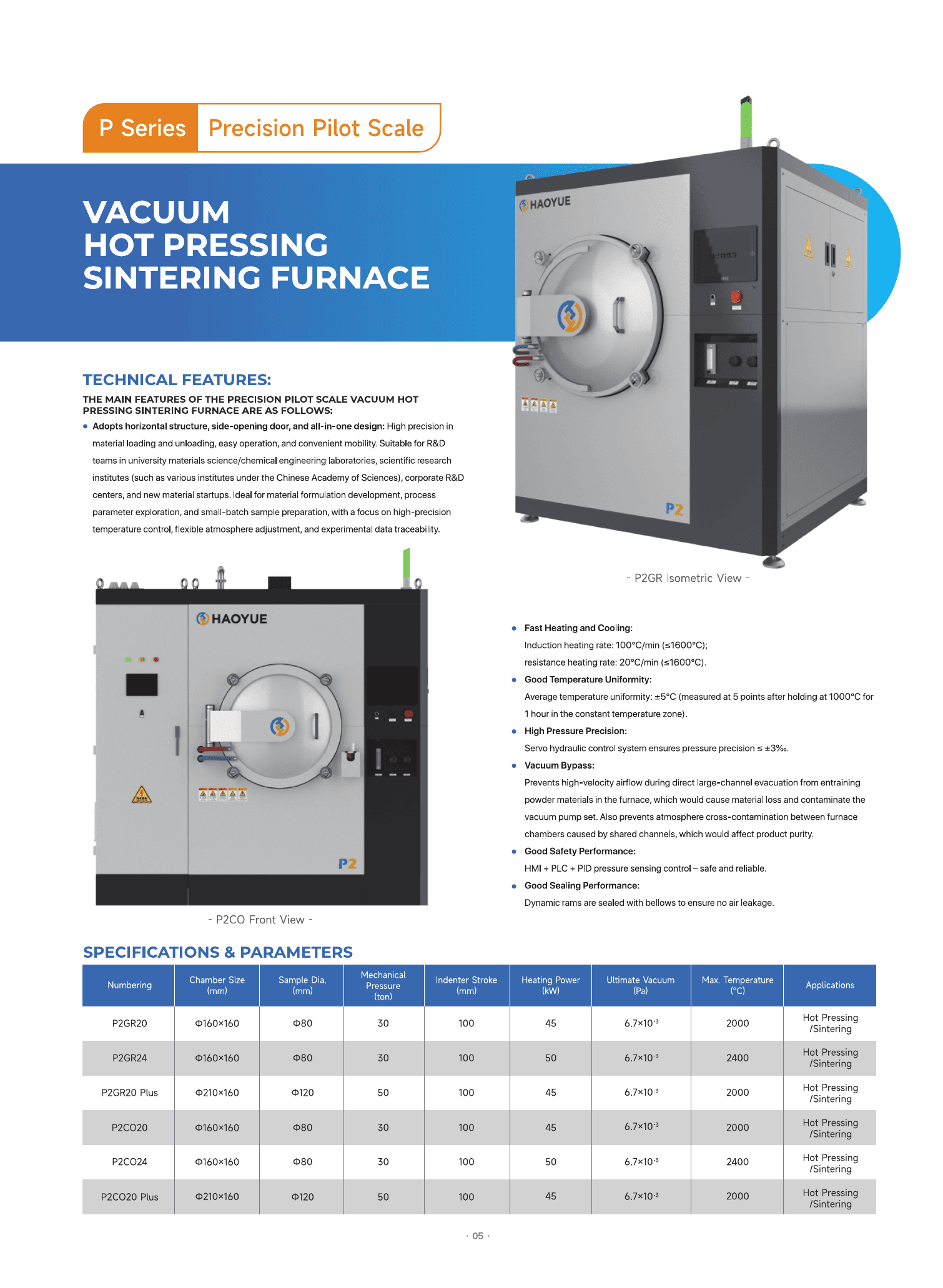
| P2 | Project matched | Lab pressing | Vacuum / inert gas | Lab | Laboratory hot pressing |
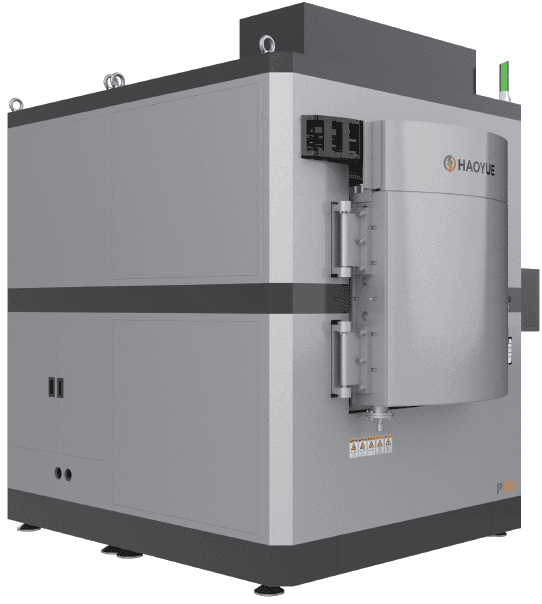
| P2CO | Project matched | Compact pressing | Vacuum / inert gas | Lab / pilot | Compact pressure sintering |
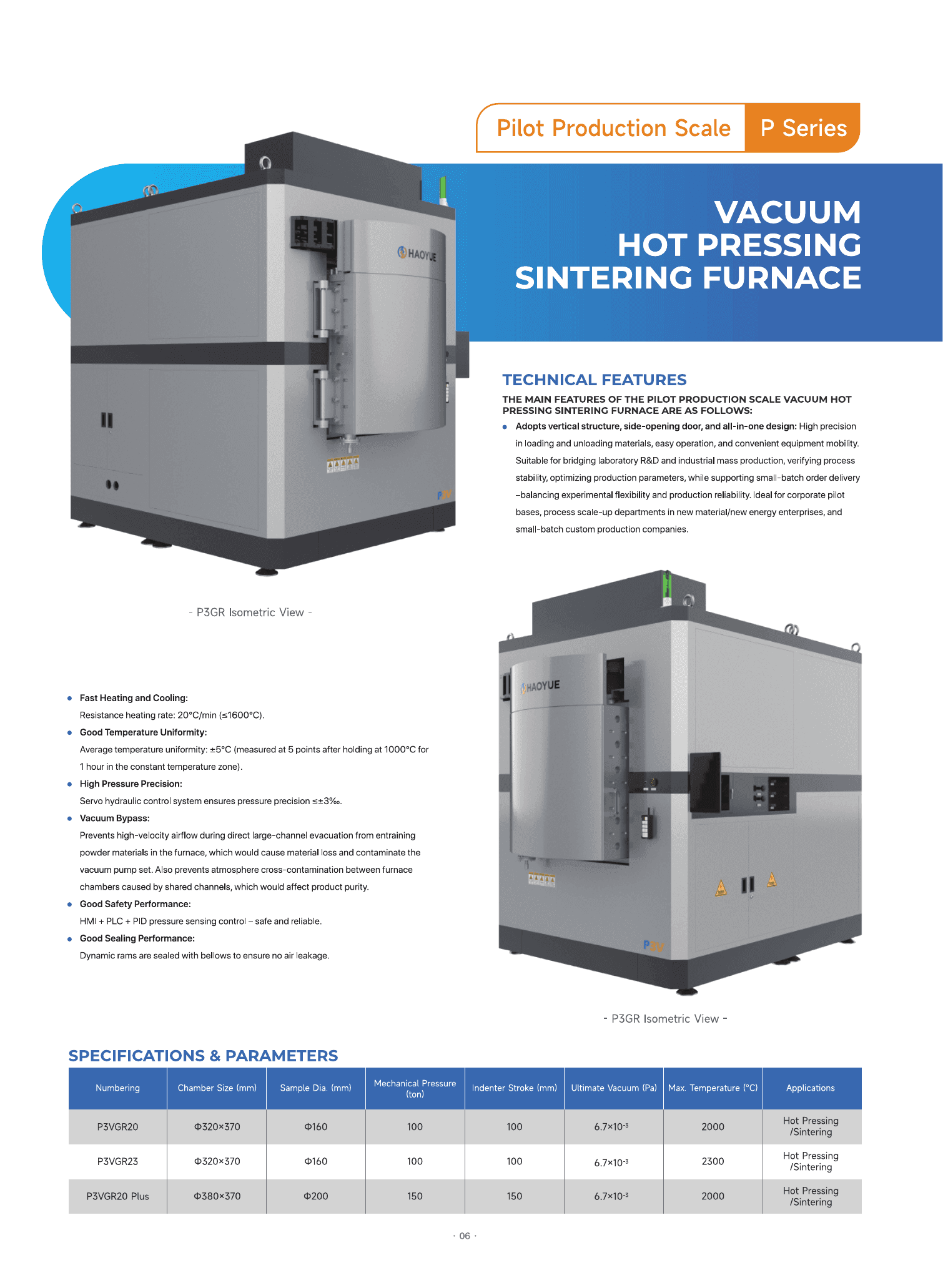
| P3V | Project matched | Pilot pressing | Vacuum / inert gas | Pilot | Vertical hot pressing |
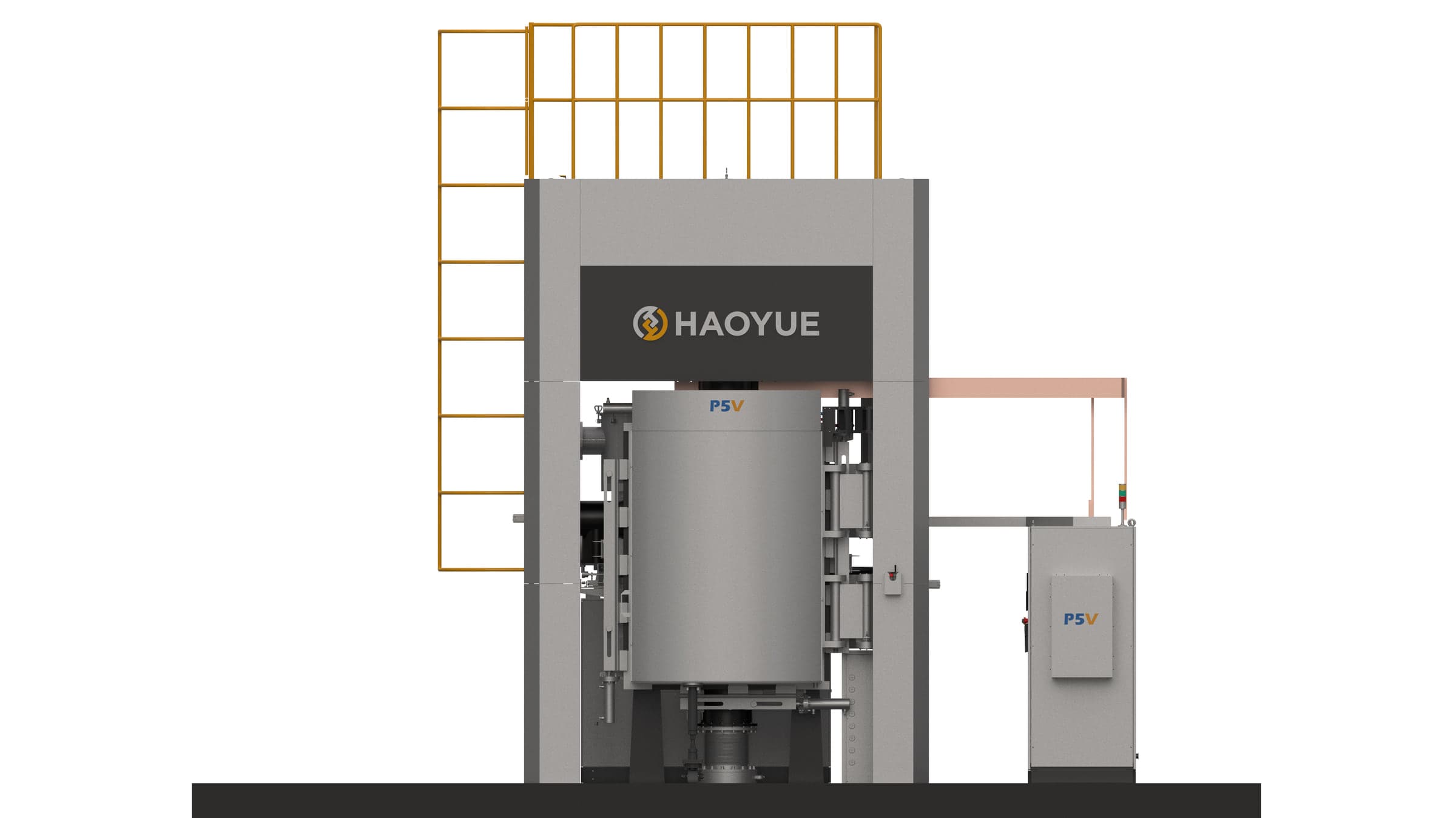
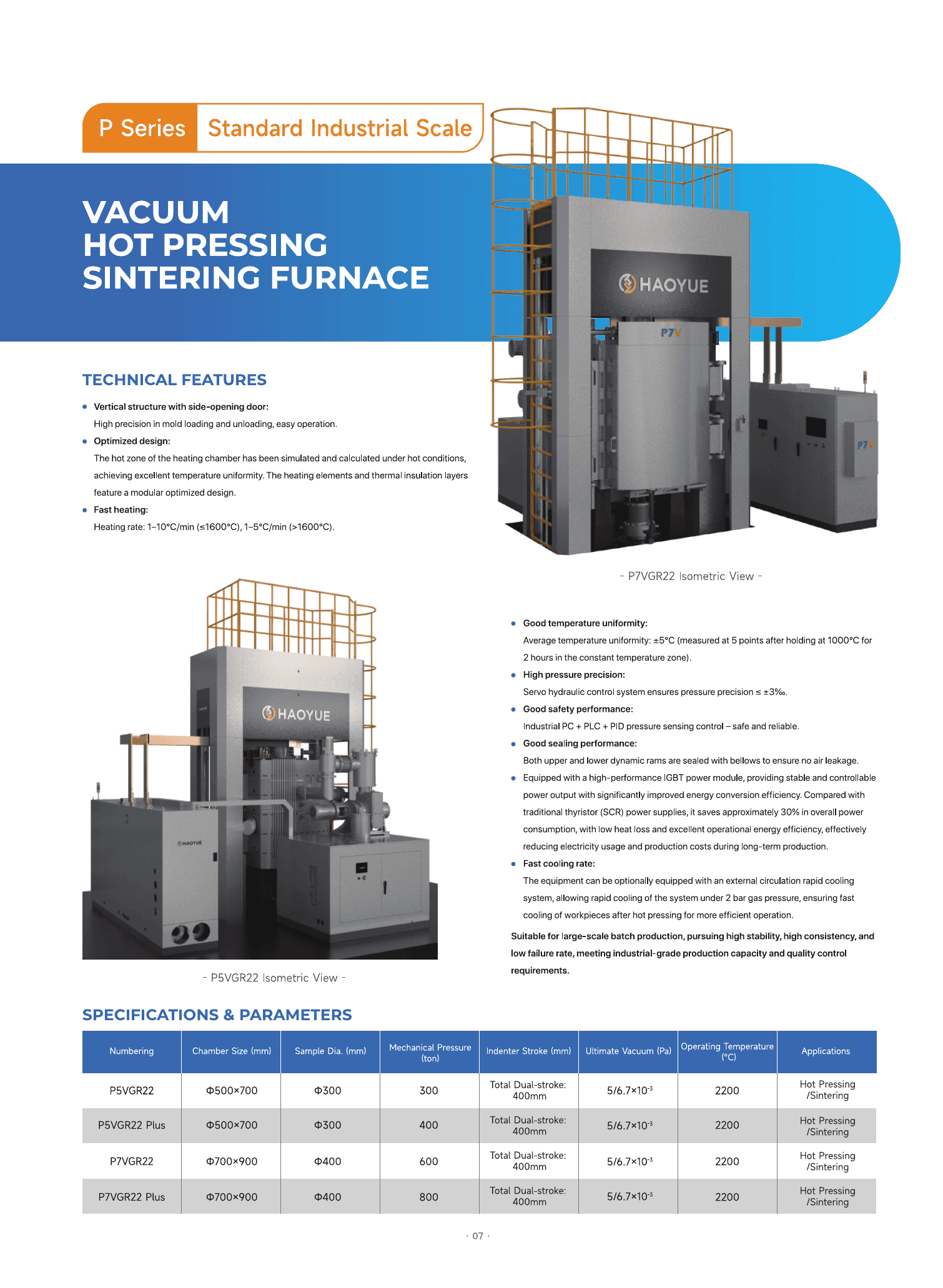
| P5V | Project matched | 300t / 400t class | Vacuum / inert gas | Pilot / production | Larger hot pressing parts |
| P7H | Project matched | Production pressing | Vacuum / inert gas | Production | Industrial graphite hot pressing |
Selection guide
Select a hot pressing furnace by matching material, tooling diameter, maximum load, pressing direction, usable stroke, hot-zone material, vacuum or inert gas requirement, and production rhythm. The key decision is not only maximum temperature; it is whether the load, die size, atmosphere, and cycle repeatability match the material route.
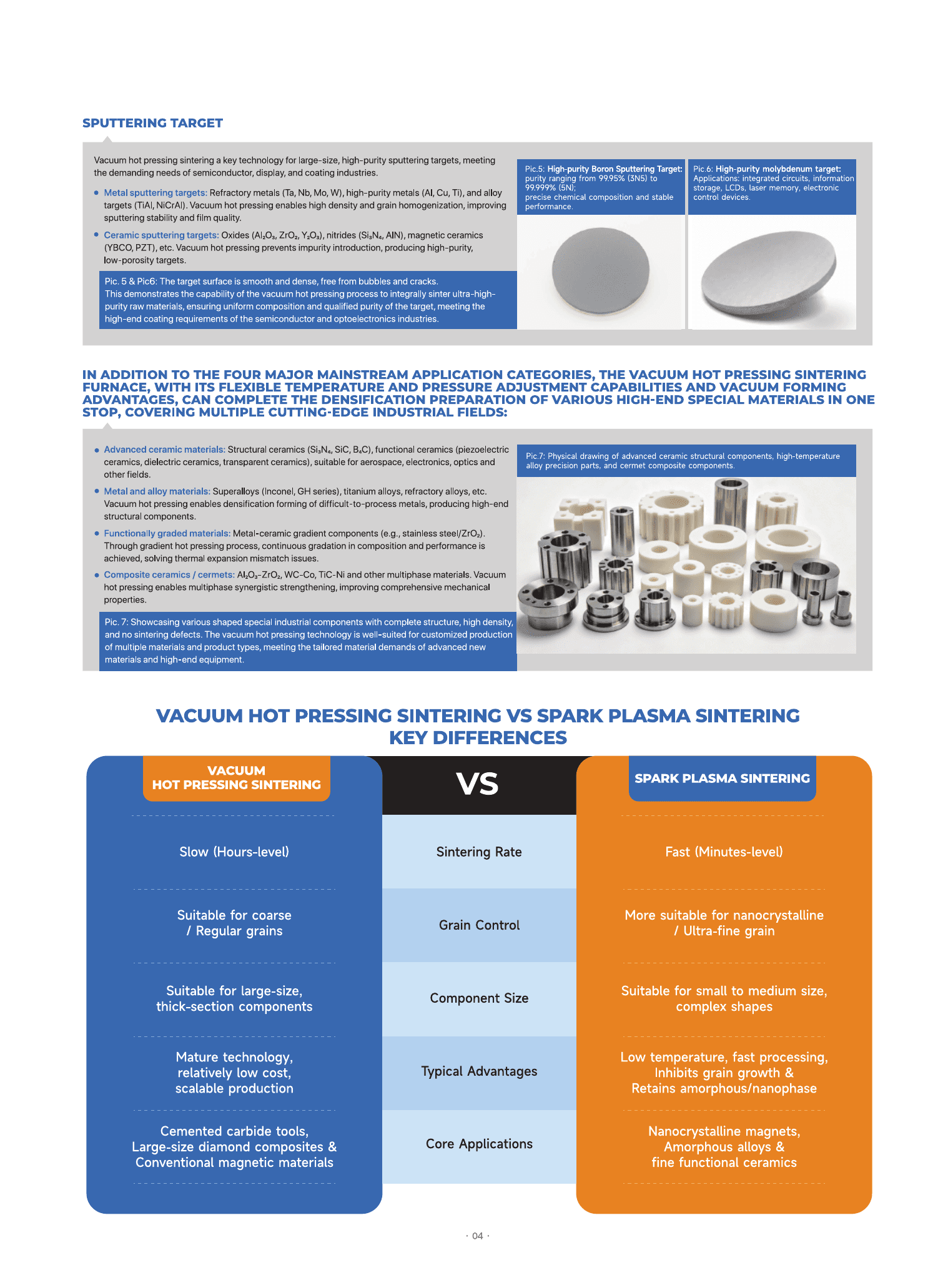
Vacuum hot pressing is a stronger fit for larger tooling, longer dwell time, industrial pressure control, and dense ceramics or carbon materials. SPS is a stronger fit for rapid cycles, small samples, and flexible powder research.
Material and target density
Tooling diameter
Maximum load
Pressing stroke
Atmosphere
Batch size and cycle time
The most useful inputs are material, target density, die diameter, part height, maximum load, temperature, atmosphere, stroke, and batch capacity.
Yes. Load system, chamber size, hot-zone material, tooling interface, atmosphere control, and automation can be reviewed for custom projects.
Typical projects include advanced ceramics, carbon materials, composites, protective materials, and powder metallurgy components.
Series buying evidence
Model tonnage alone is not a selection result. Match the die, full stack height, load distribution, stroke, hot zone, atmosphere, and production rhythm first.
Part, die, sleeve, punch or platen drawings and complete tooling envelope
Required load, pressing area, stroke, alignment, and future capacity margin
Temperature measurement, hot-zone material, vacuum or gas, and cooling limits
Trial scope, recorded cycle data, material checks, and factory acceptance plan
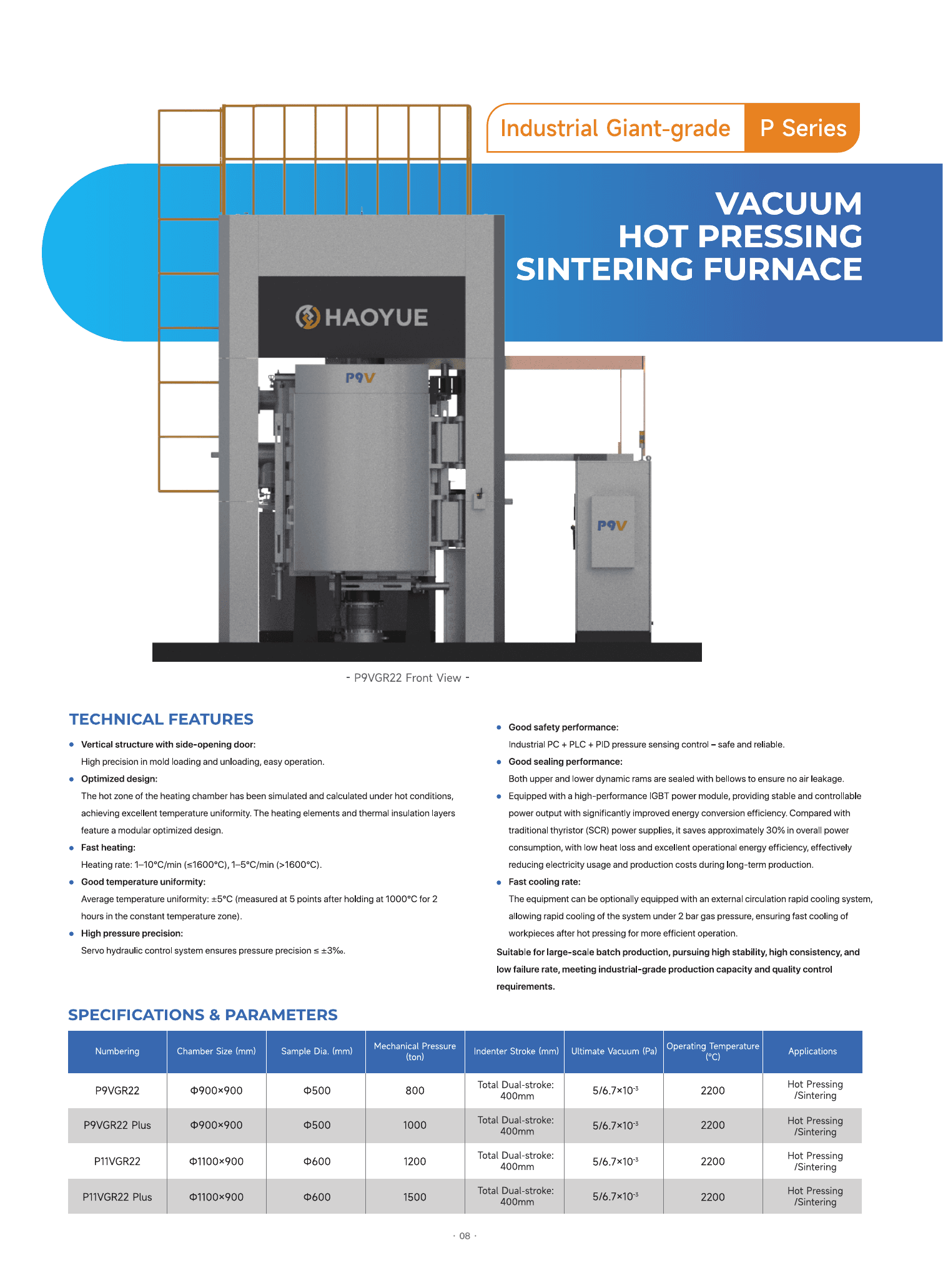
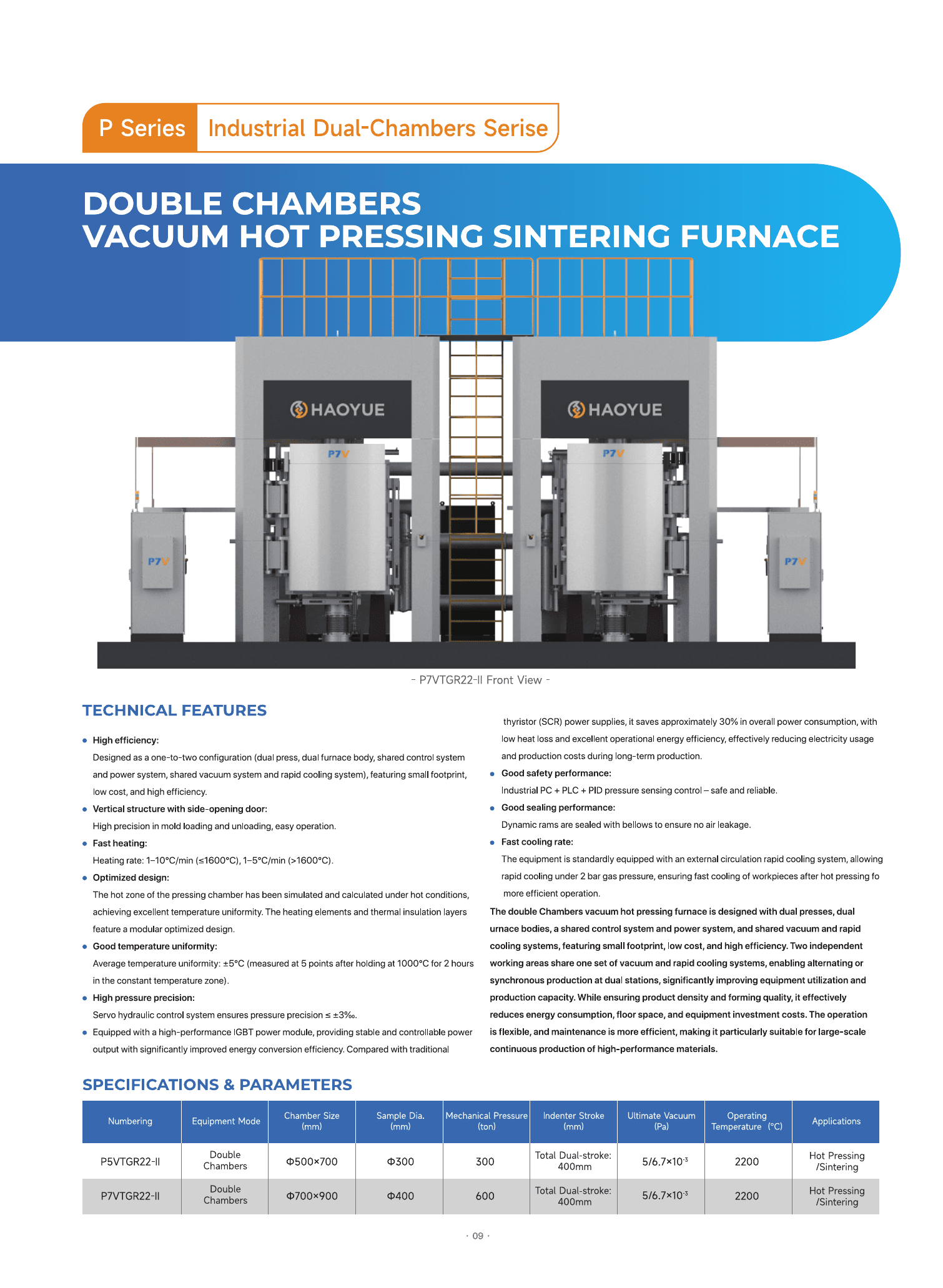
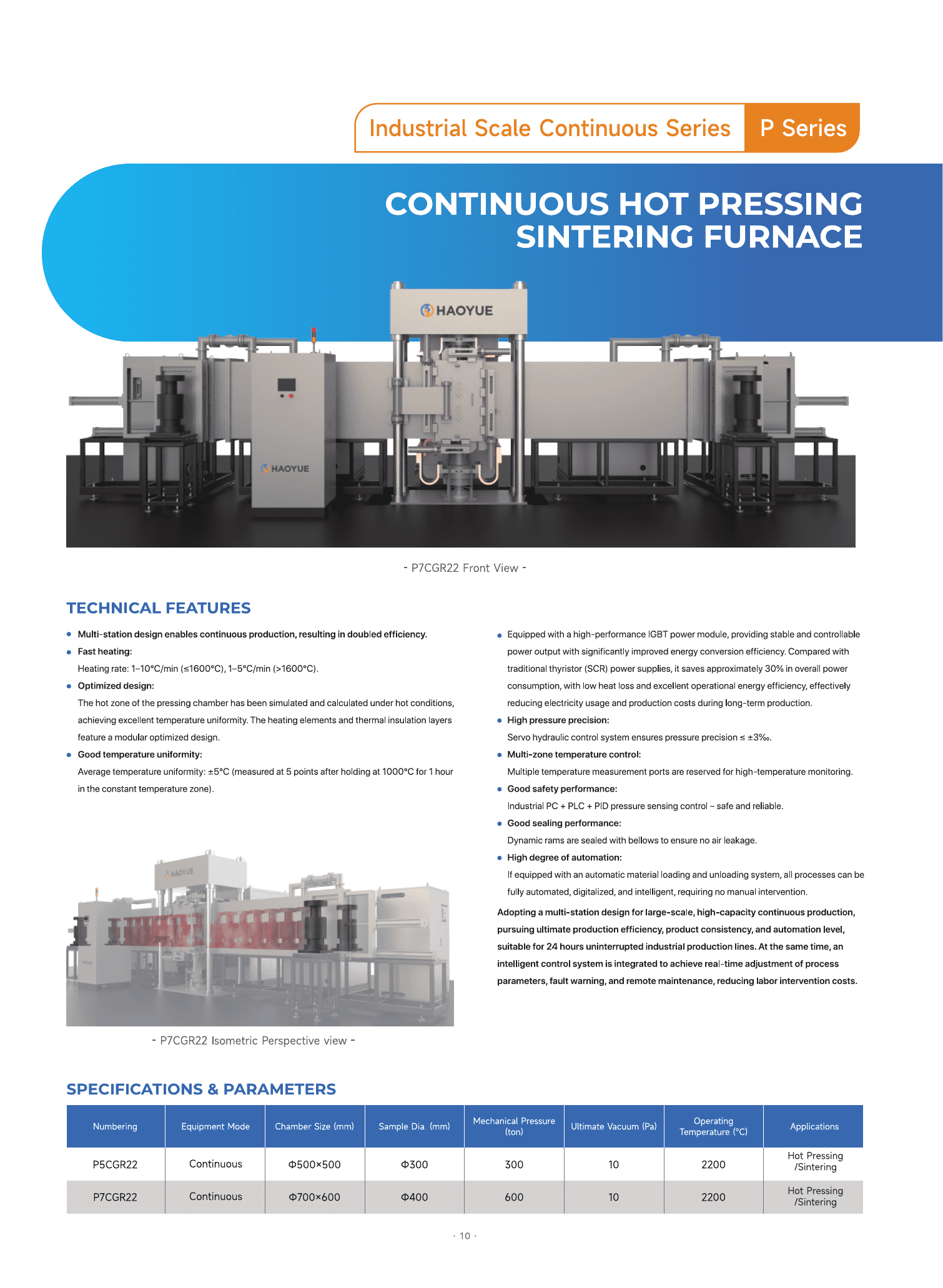
Brochure pages
Engineer-led reply target within 24 hours.