
Start with the process window
Turn a keyword search into an engineering brief.
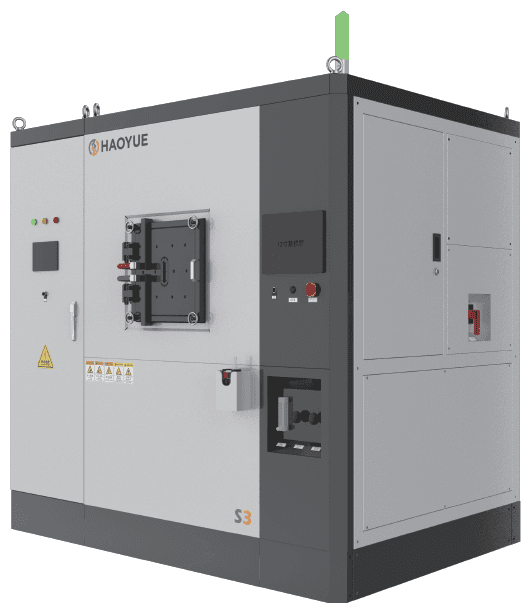
An industrial spark plasma sintering system combines controlled electrical current, conductive tooling, axial pressure, vacuum or inert gas, cooling, and synchronized process data. SPS is also discussed under FAST, field assisted sintering technology, PECS, and related current-assisted sintering terminology, although equipment architectures and control methods can differ. Buyers get a clearer manufacturer or supplier proposal when they define the powder or preform, current path, die geometry, target property, temperature measurement, load, recipe, utilities, sample count, scale-up objective, and acceptance method before comparing model names.
Selection factors
Current path and tooling
Confirm powder conductivity, die material, punch geometry, insulation, current path, die wear, and the maximum planned die size.
Pressure and displacement
Define pressing direction, load range, stroke, displacement monitoring, dwell profile, and the tooling stack that must fit the chamber.
Temperature and atmosphere
Review thermocouple or optical measurement, vacuum level, inert gas, cooling, and how the measurement point represents the compact.
Data and scale-up
Specify current, voltage, temperature, pressure, displacement, vacuum, recipe storage, export format, and the transition from samples to pilot tooling.
Manufacturer and supplier evidence
Compare the proposed power, press, chamber, cooling, controls, safety functions, data records, factory test scope, documentation, service route, and responsibilities against one written acceptance checklist.