
Technical Article
Industrial SPS Scale-Up And Acceptance Planning
Prepare an industrial SPS project from material screening through tooling, current path, data records, factory review, and site acceptance planning.
Published by Haoyue Technology | Updated
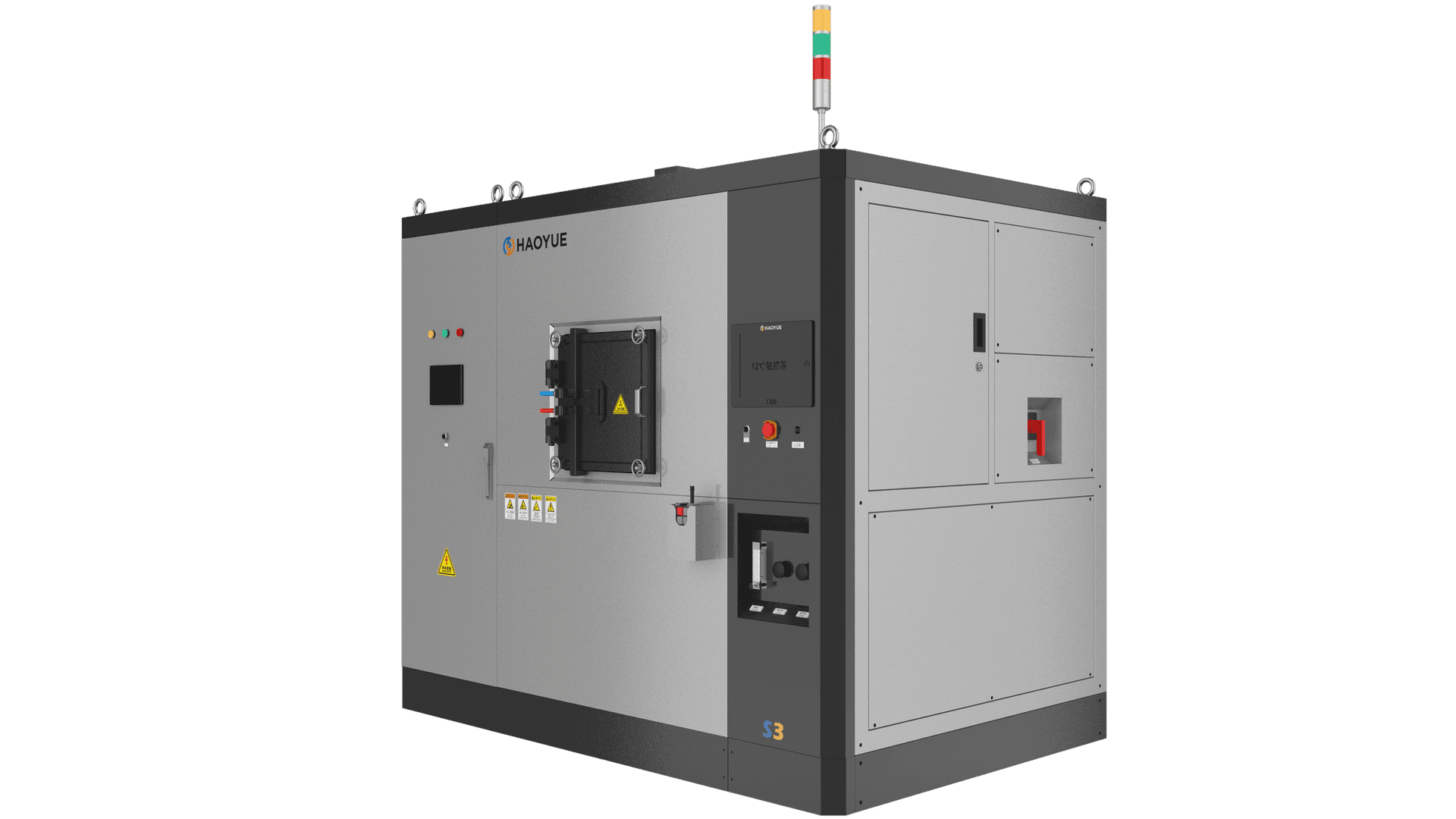
Separate a screening result from an industrial equipment requirement
A laboratory result can identify a material direction, but an industrial SPS equipment review must also account for die size, sample count, loading method, power demand, cooling, utilities, data records, maintenance access, and the acceptance evidence required by the project. Keep the research objective and the planned operating objective distinct before comparing model names.
Define the material, powder, and compact condition
Record the material composition, powder or preform condition, additives, green density, moisture or storage requirements, target density or property, part geometry, and permitted contamination boundaries. These inputs shape the tooling, atmosphere, temperature measurement, loading, and trial plan that the equipment configuration must support.
Map the complete current and tooling path
SPS configuration should be reviewed around the full electrical and mechanical stack: electrodes, punches, die, spacers, insulation, compact, load path, and contact interfaces. Confirm die diameter and height, tooling material, pressing direction, maximum load, stroke, clearance, expected wear, and whether the planned path changes between screening and pilot work.
Specify temperature, load, and displacement measurement together
A reported setpoint is not enough to describe an SPS trial. Define the intended temperature measurement method and location, loading profile, displacement record, current and voltage data, recipe timing, sampling interval, calibration expectation, and how the recorded signals will be compared with the compact or tooling condition.
Review vacuum, gas, cooling, and utility boundaries
State the target vacuum or inert-gas condition, gas type and purity, purge steps, cooling requirement, water and electrical utilities, ventilation, and any material-sensitivity limits. These requirements should be reviewed with the planned die, insulation, compact, and cycle rather than selected as independent options.
Plan data transfer before process scale-up
Keep the material route, tooling drawings, recipe versions, sensor locations, load and displacement records, atmosphere state, and sample-inspection plan together. A consistent record makes it easier to distinguish a change in material or tooling from a change in equipment configuration when a project moves from samples to a larger die or different batch objective.
Define factory and site acceptance responsibilities
Before order release, identify the equipment-function checks, safety interlocks, documentation, utility interfaces, training scope, test material or dummy tooling, data-record expectations, and site acceptance responsibilities. Process suitability and material properties must remain subject to the agreed tooling, trial method, inspection plan, and acceptance criteria.
Prepare an SPS technical proposal request
Send material and powder condition, target property, die and compact geometry, temperature and pressure profile, current-path assumptions, vacuum or gas requirement, utilities, data channels, sample count, pilot or production objective, preferred documentation language, installation region, and required acceptance evidence. A complete brief lets the first engineering response address configuration limits and open questions together.
Related process selection hubs
Continue from this article into the buyer page that matches the furnace family, process window, and inquiry checklist.
Related equipment and proof points
Need a configuration review?
Send your material, temperature, pressure, atmosphere, and capacity requirements to Haoyue for a practical furnace recommendation.
Request Technical Proposal