
Application Guide
Diffusion Bonding Heat Exchangers: Furnace and Tooling Guide
Plan a diffusion bonding furnace review for plate and microchannel heat exchangers using stack geometry, load distribution, vacuum, tooling, thermal records, and leak-test inputs.
Published by Haoyue Technology | Updated
Start with the complete plate and channel stack
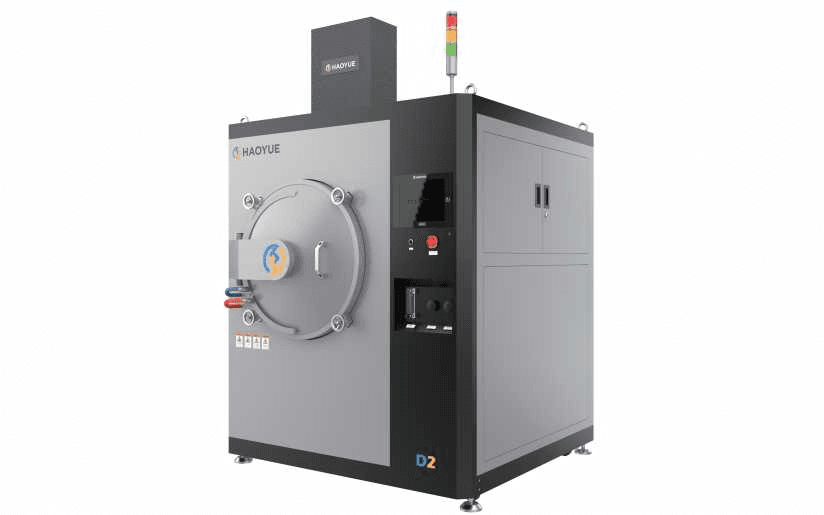
A heat-exchanger inquiry should describe the material grade, plate dimensions, plate count, channel pattern, perimeter seal area, bonding area, complete stack height, unsupported spans, internal passages, and any headers or manifolds included during bonding. The furnace work zone and tooling envelope must accommodate the whole assembly, not only one plate. Drawings should identify surfaces that carry load and passages that must remain open.
Convert interface pressure into a controlled load path
The required interface pressure, total bonding area, fixture stiffness, platen arrangement, ram stroke, alignment, and thermal expansion determine the mechanical configuration. A nominal press-capacity value is not enough because local channel features and plate distortion can change how load reaches the interfaces. The proposal should state where load is measured, how the tooling is supported, and which parts of the stack are excluded from the effective bonding area calculation.
Review the thermal field, vacuum package, and surface route together
Temperature range, ramp, dwell, controlled cooling, sensor locations, vacuum target, leak-rate expectation, purge sequence, and contamination limits should be reviewed against the selected alloy and surface-preparation route. The furnace can provide a controlled equipment environment, but it does not by itself establish that a particular cleaning, coating, interlayer, temperature, pressure, or dwell will produce an acceptable heat-exchanger joint. Those variables require material-specific development and validation.
Protect channels and dimensions during tooling design
Tooling should account for plate flatness, stack alignment, edge support, thermal expansion, release surfaces, fixture removal, and access for post-bond dimensional checks. The design review should identify channel regions that cannot accept direct load and any features vulnerable to creep or collapse. If multiple stack sizes are planned, define the largest envelope and explain which tooling components must be interchangeable.
Define leak testing and acceptance before equipment quotation
A useful acceptance plan can include equipment leak checks, thermal and load-record review, tooling-fit inspection, dimensional checks, flow-path protection, assembly leak testing, witness samples, and any agreed joint-inspection method. Separate factory equipment acceptance from the buyer's product qualification. State who supplies test stacks, tooling, consumables, inspection equipment, utilities, and acceptance criteria so the proposal has clear boundaries.
Related process selection hubs
Continue from this article into the buyer page that matches the furnace family, process window, and inquiry checklist.
Related equipment and proof points
Need a configuration review?
Send your material, temperature, pressure, atmosphere, and capacity requirements to Haoyue for a practical furnace recommendation.
Request Technical Proposal