
Haoyue Technology logo

Vacuum diffusion bonding equipment

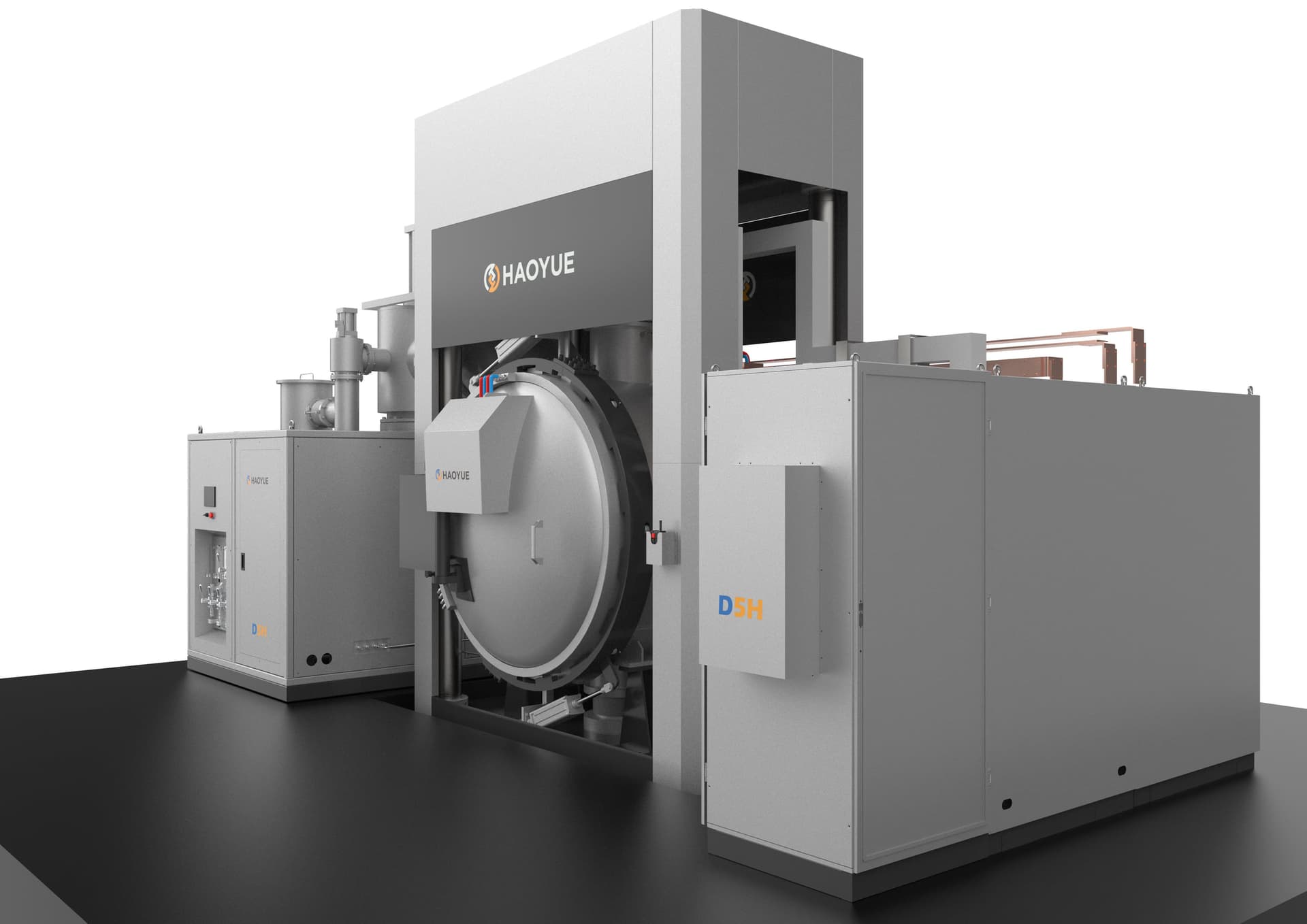
Vacuum Diffusion Bonding Furnace

Vacuum diffusion bonding furnace manufacturer for heat exchangers, titanium, metals, and precision assemblies. Review temperature, pressure, vacuum, tooling, inspection, and request-for-quote inputs.

Prefer direct contact?sales@haoyue-group.com+86 21 5109 5281

24h engineering follow-up target

Material and process window reviewed first

Configuration proposal before model selection

D Series vacuum diffusion bonding furnace

Start with the process window

Turn a keyword search into an engineering brief.

Haoyue designs and manufactures vacuum diffusion bonding furnaces for solid-state joining of metals, titanium assemblies, plate and microchannel heat exchangers, and other precision stacks. Equipment configuration begins with the material pair, channel or joint geometry, surface preparation, load path, temperature-pressure cycle, vacuum package, tooling interface, chamber size, inspection method, and project acceptance plan. Published equipment references do not replace material-specific bonding trials or joint validation.

Selection factors

Joint, channel, and material pair

Document the material pair, surface finish, coating or interlayer, joint and channel geometry, stack height, thickness, and thermal expansion considerations.

Load path and tooling

Define compressive load, flatness, fixture stiffness, alignment, stroke, and how the load reaches the complete bonded stack.

Vacuum and atmosphere

Confirm vacuum level, leak-rate expectations, purge gas, contamination limits, and whether a protective atmosphere is needed during cooling.

Inspection and records

Agree on dimensional checks, leak checks, bond inspection, witness samples, data logging, and acceptance documentation before quotation.

Technical configuration reference

Scope the equipment around the process, not a generic model label.

These are configuration checkpoints for a technical proposal. Final values, process suitability, and acceptance criteria are confirmed for each project.

ParameterConfiguration referenceConfirm in the inquiry
Joint stack and materialsThe furnace and tooling review begins with the material pair, joint geometry, surface condition, and any interlayer or coating.Material pair, drawing, joint area, thickness, surface finish, and preparation route.
Heat-exchanger and channel stackPlate count, channel pattern, perimeter seal area, stack height, unsupported spans, and internal flow paths affect tooling stiffness and load distribution.Plate and channel drawings, complete stack height, bonding area, flatness targets, and protected flow passages.
Temperature and thermal fieldHeating zone, temperature range, measurement points, dwell sequence, and controlled cooling are matched to the bonding cycle.Bonding temperature, dwell, ramp profile, temperature tolerance, and cooling limit.
Load path and toolingPress capacity, stroke, platen or ram arrangement, fixture stiffness, and alignment are reviewed around the complete bonded assembly.Required pressure or load, stroke, fixture drawing, flatness, and full stack height.
Vacuum and atmosphereVacuum package, purge gas, cleanliness controls, and cooling atmosphere are selected for the material pair and joint protection needs.Vacuum target, gas type and purity, leak-rate expectation, and contamination limits.
Validation and recordsData logging, witness-sample handling, safety functions, and documentation are set around the agreed inspection and acceptance plan.Inspection method, record requirements, witness samples, acceptance criteria, and delivery region.

Supplier comparison evidence

Ask for evidence that can be checked during acceptance.

A catalogue limit does not prove project fit. Use the same written evidence request when comparing manufacturers, then carry the agreed checks into factory and site acceptance.

Load distribution and tooling basis

Review in the proposal

Compare the proposed press capacity, platen arrangement, fixture stiffness, alignment method, and complete joint-stack envelope against the actual bonding area.

Confirm for acceptance

Agree on tooling drawings, load and position records, alignment checks, and the witness or dummy stack used during factory review.

Thermal and vacuum records

Review in the proposal

Confirm where temperature, vacuum, pressure, and cooling data are measured and how those measurements represent the bonded stack.

Confirm for acceptance

Define the recorded channels, sensor checks, empty-furnace or loaded verification conditions, leak-rate method, and report format before order release.

Joint inspection route

Review in the proposal

Separate furnace capability from material-specific joint validation by defining dimensional, leak, metallographic, mechanical, or nondestructive checks for the project.

Confirm for acceptance

Assign responsibility for samples, inspection methods, acceptance limits, retained records, and any third-party test requirements.

Factory and site handover

Review in the proposal

Compare suppliers using one written scope for utilities, safety interfaces, documentation, training, installation, commissioning, and site acceptance.

Confirm for acceptance

List the factory acceptance test, open items, delivery documents, site prerequisites, training scope, and final sign-off responsibilities.

Review path

Four checks before a configuration is selected.

01

Describe the joint stack, surface preparation, bonding area, and target interface condition.

02

Define temperature, load, dwell, atmosphere, vacuum, and controlled cooling requirements.

03

Review fixture stiffness, alignment, usable chamber, heating uniformity, and measurement method.

04

Set inspection, witness-sample, documentation, and acceptance requirements.

Frequently asked questions

What information is needed for a vacuum diffusion bonding furnace quotation?

Send the material pair, joint drawing, bonding area, surface condition, temperature, pressure, dwell, vacuum, fixture, chamber envelope, and acceptance requirements. Available process data and inspection plans help us prepare a more accurate technical proposal.

Can Haoyue configure a furnace for titanium, heat exchangers, or precision assemblies?

Yes. Furnace temperature, pressure system, vacuum package, chamber size, tooling interface, cooling, control records, and safety functions are configured against the material pair, joint geometry, load path, and validation plan.

What should a heat-exchanger project define before furnace selection?

Provide plate and channel drawings, material grade, complete stack height, bonding area, surface preparation, target temperature and pressure cycle, fixture concept, dimensional limits, leak-test plan, and the inspection route used to accept the bonded assembly.

Does a furnace specification validate a titanium diffusion bonding process?

No. The equipment specification defines available temperature, load, vacuum, tooling, controls, and records. Titanium surface preparation, bonding parameters, microstructure, joint properties, and inspection acceptance remain part of the material and process validation plan.

Is diffusion bonding the same as brazing?

No. Diffusion bonding relies on prepared surfaces, heat, pressure, and time to form a solid-state joint; brazing uses a filler metal. The correct route depends on material compatibility, joint design, temperature limits, and inspection needs.

What determines the press size?

The press is reviewed against bonding area, required pressure, fixture stiffness, stroke, alignment, and the complete assembly envelope, not only the material name.

What should be validated before a production order?

Validate the thermal and load records, bond inspection method, dimensional limits, witness-sample plan, safety functions, and documentation package.

Next step

Share the process window for an engineering review.

Send the material or part, temperature, pressure, atmosphere, work zone, and project goal. Haoyue can review the equipment configuration and identify missing inputs. Process results remain subject to the agreed trial and acceptance criteria.

Use the Full Technical Form
WhatsApp

Engineer-led reply target within 24 hours.