
Process Comparison
Diffusion Bonding vs Brazing: Furnace Selection Guide
Compare diffusion bonding and brazing by joint design, surface preparation, temperature, pressure, atmosphere, tooling, and inspection requirements.
Published by Haoyue Technology | Updated
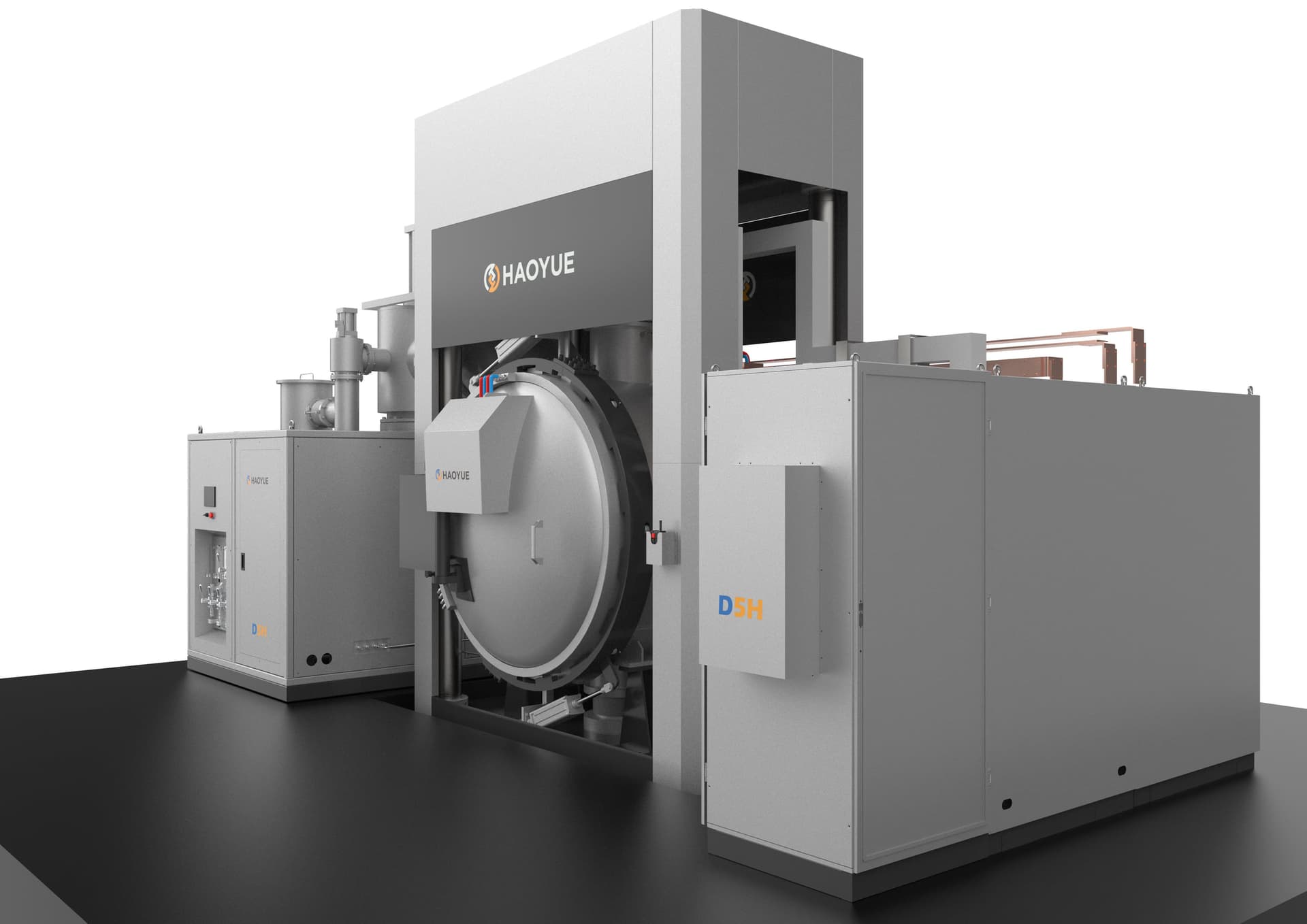
Diffusion bonding uses heat, pressure, and prepared surfaces
Diffusion bonding is a solid-state joining route in which prepared surfaces are held together under controlled temperature, pressure, time, and atmosphere. The review should cover material pair, surface finish, joint area, fixture stiffness, alignment, load distribution, and the target interface condition.
Brazing uses a filler metal
Brazing introduces a filler metal that melts and flows into the joint. The selection questions shift toward filler compatibility, clearance, flux or vacuum requirements, wetting, liquidus temperature, post-braze cleaning, and inspection of the completed joint.
Choose the furnace around the joint and inspection plan
A diffusion bonding furnace needs a stable load path and fixture arrangement. A brazing furnace may prioritize atmosphere purity, temperature uniformity, filler handling, and batch loading. In both cases, define dimensional checks, leak or bond inspection, witness samples, and acceptance limits before selecting equipment.
What to send for a technical review
Provide material pair, surface preparation, joint dimensions, temperature and pressure profile, vacuum or gas requirements, fixture concept, work zone, batch rhythm, inspection method, documentation needs, and the installation region.
Related process selection hubs
Continue from this article into the buyer page that matches the furnace family, process window, and inquiry checklist.
Related equipment and proof points
Need a configuration review?
Send your material, temperature, pressure, atmosphere, and capacity requirements to Haoyue for a practical furnace recommendation.
Request Technical Proposal