
Haoyue Technology logo

Ceramic densification hub

Gas Pressure Sintering Furnace Selection Guide

Gas pressure sintering furnace manufacturer for advanced ceramics. Select a high-pressure sintering system by ceramic, pressure-temperature cycle, gas handling, work zone, batch plan, safety, and acceptance requirements.

Prefer direct contact?sales@haoyue-group.com+86 21 5109 5281

24h engineering follow-up target

Material and process window reviewed first

Configuration proposal before model selection

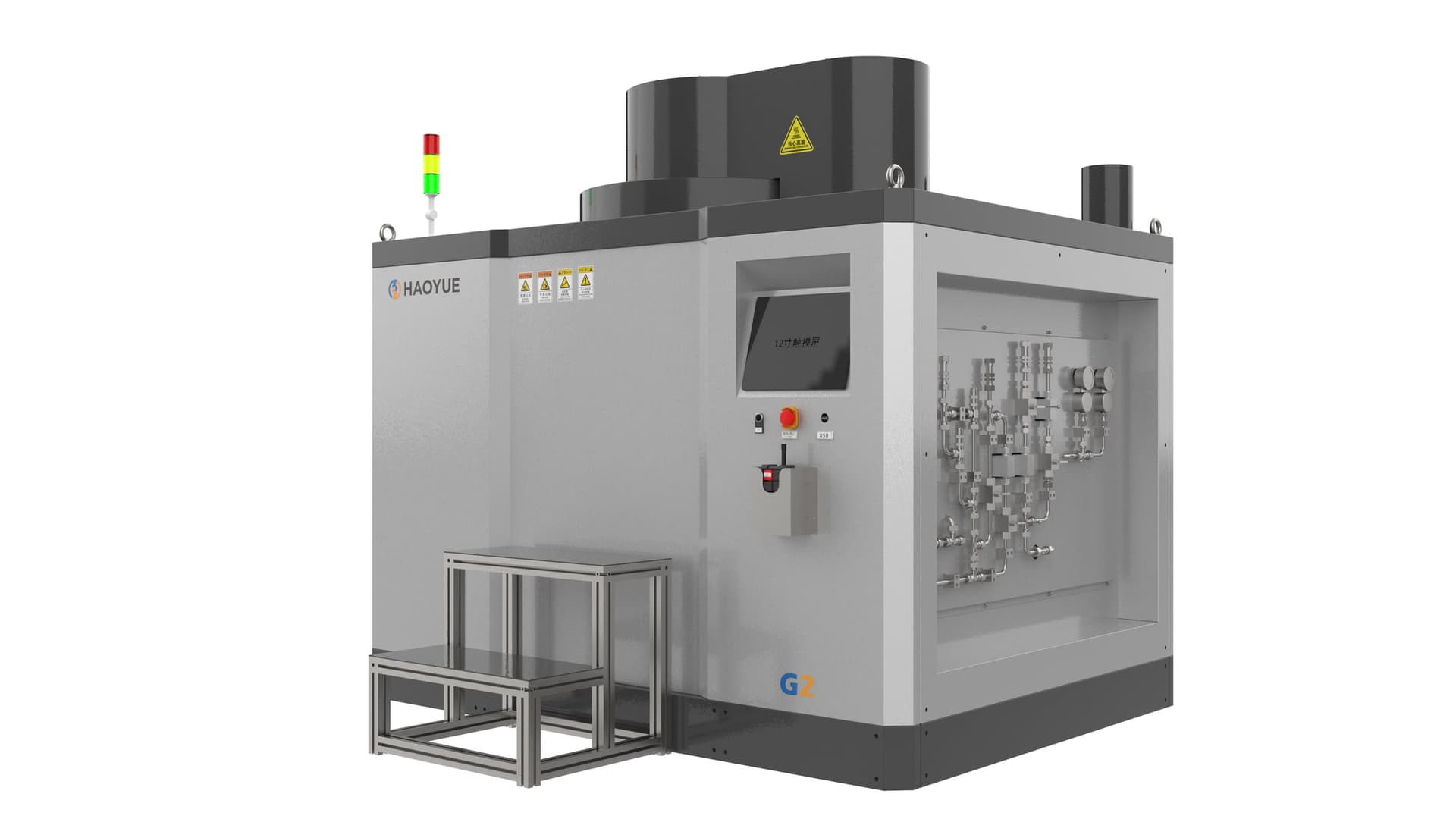
G Series gas pressure sintering furnace

Start with the process window

Turn a keyword search into an engineering brief.

Gas pressure sintering is commonly reviewed for advanced ceramics that need a controlled high-temperature gas environment and pressure-assisted densification. Buyers also use the search phrase high-pressure sintering for this equipment category. The furnace brief should connect the ceramic body, additives, part geometry, pressure and temperature ramps, gas supply, pressure-vessel operating range, usable work zone, batch rhythm, cooling, controls, safety functions, and acceptance evidence in one project-specific process window.

Selection factors

Ceramic and additive system

State the ceramic composition, additives, binder or dewaxing route, green density, part geometry, and target density or property.

Pressure-temperature window

Define working and maximum pressure, maximum temperature, gas type, ramp and hold sequence, temperature at pressure, and whether partial-pressure steps are required.

Gas and safety system

Review supply capacity, purity, venting, pressure relief, interlocks, furnace lid or door operation, and controlled cooling.

Loading and scale

Match vertical or horizontal layout to loading access, fixtures, batch weight, usable zone, cycle time, and production plan.

Technical configuration reference

Scope the equipment around the process, not a generic model label.

These are configuration checkpoints for a technical proposal. Final values, process suitability, and acceptance criteria are confirmed for each project.

ParameterConfiguration referenceConfirm in the inquiry
Ceramic body and additivesThe material system, green body, additive route, and target density or property determine the process review before equipment selection.Ceramic composition, additives, green density, part geometry, and target property.
Pressure vessel and operating rangeMaximum allowable equipment pressure, planned working pressure, temperature-pressure sequence, vessel layout, and maintenance access are reviewed as one system boundary.Working and maximum pressure, temperature at pressure, ramp sequence, cycle frequency, site space, and local acceptance inputs.
Temperature-pressure cycleMaximum temperature, gas pressure range, ramps, holds, and partial-pressure stages are treated as one process window.Cycle profile, maximum pressure, maximum temperature, dwell points, and process tolerances.
Gas handling and safetyGas supply, purity, pressurization and venting sequence, relief, interlocks, and monitoring are configured for the selected process route.Gas type and purity, supply condition, venting route, plant utilities, and site safety requirements.
Hot zone and loadingHot-zone material, furnace layout, loading access, fixtures, usable zone, and batch weight are balanced against the ceramic and throughput plan.Loading method, fixture envelope, batch weight, factory space, and maintenance access.
Trials and acceptanceRecorded parameters, trial evidence, repeatability checks, and acceptance documentation are specified before final configuration.Data channels, trial plan, inspection method, production scale, and acceptance criteria.

Supplier comparison evidence

Ask for evidence that can be checked during acceptance.

A catalogue limit does not prove project fit. Use the same written evidence request when comparing manufacturers, then carry the agreed checks into factory and site acceptance.

Pressure-system design basis

Review in the proposal

Compare working pressure, maximum allowable range, temperature at pressure, vessel layout, closure arrangement, cycle frequency, and maintenance access as one equipment boundary.

Confirm for acceptance

Confirm the applicable design basis, required documentation, pressure checks, interlocks, relief interfaces, and local review responsibilities.

Gas supply, venting, and safety sequence

Review in the proposal

Review nitrogen or argon supply condition, purity, pressurization rate, vent path, relief route, monitoring, and controlled cooling against the planned cycle.

Confirm for acceptance

Document utility limits, valve and sensor checks, alarm states, safe venting assumptions, and the sequence demonstrated during factory testing.

Temperature-pressure cycle evidence

Review in the proposal

Require synchronized temperature, pressure, vacuum, gas-state, and recipe records so a ceramic trial can be compared with the written process window.

Confirm for acceptance

Agree on data channels, sampling frequency, trial load, sensor locations, repeatability checks, and the report used for acceptance.

Loading and production handover

Review in the proposal

Compare vertical and horizontal layouts using the complete fixture, batch weight, access, cycle time, floor space, and maintenance plan.

Confirm for acceptance

Confirm loading demonstrations, fixture interfaces, operator training, preventive checks, spare-parts scope, and site acceptance responsibilities.

Review path

Four checks before a configuration is selected.

01

Describe the ceramic body, additives, part geometry, batch quantity, and target property.

02

Map the temperature, gas, pressure, dewaxing, sintering, and cooling sequence.

03

Review hot-zone material, loading arrangement, gas supply, venting, and interlocks.

04

Define recorded parameters, trial plan, acceptance criteria, and production assumptions.

Frequently asked questions

Is high-pressure sintering the same as gas pressure sintering?

High-pressure sintering is a common buyer search phrase for gas pressure sintering equipment. The practical equipment review should still define gas type, working pressure, maximum temperature, cycle sequence, material system, usable work zone, and safety requirements rather than rely on the keyword alone.

Which materials are commonly reviewed for gas pressure sintering?

Advanced ceramic projects such as silicon nitride, silicon carbide, and ceramic cutting-tool materials are common starting points, subject to engineering review of the specific body and additives.

Should the furnace be vertical or horizontal?

Choose the layout from loading method, part geometry, batch weight, fixture access, thermal field, maintenance, and factory space rather than from a generic preference.

Are published pressure and temperature values guaranteed process results?

No. Published equipment values are configuration references. The selected model, material system, loading, measurement method, and acceptance test must be confirmed for each project.

Next step

Share the process window for an engineering review.

Send the material or part, temperature, pressure, atmosphere, work zone, and project goal. Haoyue can review the equipment configuration and identify missing inputs. Process results remain subject to the agreed trial and acceptance criteria.

Use the Full Technical Form
WhatsApp

Engineer-led reply target within 24 hours.